Epstein Files Explained: The Scandal Power Doesn’t Want Exposed
If you’ve been scrolling through X, Instagram reels, or late-night Reddit threads, you’ve probably seen people freaking out about the Epstein files. Celebrities, politicians, billionaires, secret flights, sealed documents, this whole thing sounds less like real life and more like a Netflix crime thriller. But it’s very real, and that’s exactly why it’s blowing up again.
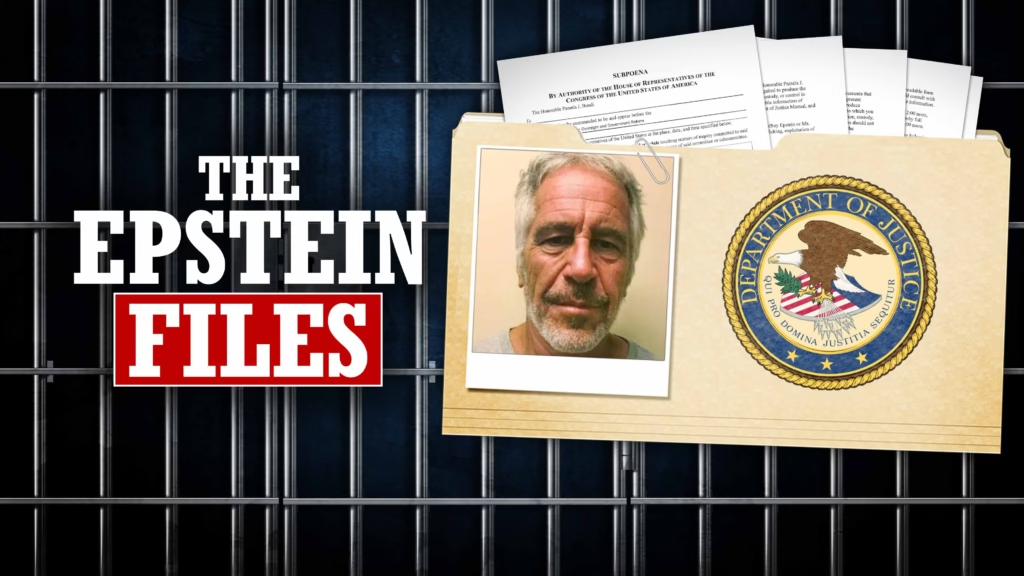
At the centre of this storm is Jeffrey Epstein, a wealthy American financier who was arrested in 2019 for running a massive sex trafficking operation involving underage girls. Before he could face trial, he died in jail under circumstances that are still heavily questioned. What followed was silence, sealed court records, and a feeling that powerful people got away untouched. The files now being discussed are collections of documents, testimonies, flight logs, and court papers that allegedly name individuals connected to Epstein or his network. Some of these documents are being unsealed or revisited, which is why the internet is once again on fire.
The Plot That Sounds Unreal but Isn’t
If this story were a web series, people would say it’s too unrealistic. A rich guy with private islands, politicians and royals as guests, secret flights labelled the “Lolita Express,” and victims who were silenced for years. But this is the actual plot.
Epstein used his money, connections, and influence to build a system where young girls were exploited, trafficked, and abused. The shocking part isn’t just what he did, but who allegedly knew about it, who enabled it, and who may have benefited from it. The documents linked to the case reportedly contain names of people who were in Epstein’s circle, visited his properties, or were mentioned in testimonies. Important point: being named does not automatically mean guilt, but it definitely raises uncomfortable questions.
This is where the drama peaks. Why were these documents sealed for so long? Why did Epstein get such a lenient deal in an earlier case? And how did someone with such serious allegations continue to live freely among the world’s most powerful people?
Why This Case Hits Hard for Young People
For Indian youth especially, this case feels like proof that the system is rigged globally, not just locally. We grow up being told that justice always wins, but stories like this shake that belief. When someone rich and connected can allegedly escape consequences, it forces us to question how fair the world really is.
Social media has made sure this story doesn’t die quietly. Gen Z and millennials are not satisfied with vague answers anymore. We want transparency, accountability, and real consequences. That’s why every new update, leak, or document triggers massive online debates, memes, outrage, and deep dives.
The Good Side of the Spotlight
One positive outcome of this renewed attention is that victims are finally being heard. For years, many of them were ignored, discredited, or paid off into silence. Now, their stories are being discussed seriously, and that matters. Public pressure also forces institutions to act more responsibly. Courts, media houses, and governments know they’re being watched closely.
Another plus is awareness. Conversations around consent, abuse of power, and exploitation are becoming more mainstream. Young people are learning to question authority instead of blindly trusting it. That cultural shift is powerful and necessary.
The Dark Side No One Likes to Talk About
But let’s be honest, this whole situation also has an ugly side. Online speculation often turns into full-blown conspiracy theories. People start accusing anyone and everyone without evidence, which can destroy reputations unfairly. Not every name in a document is a criminal, and that nuance often gets lost in viral posts.
There’s also the issue of performative outrage. People tweet, post stories, and then move on to the next trend without pushing for real change. Justice doesn’t come from hashtags alone; it needs sustained action, legal follow-ups, and systemic reform.
What’s Actually Likeable Here
What’s genuinely likeable is the refusal of young voices to let this story fade away. The internet is acting like a collective memory that won’t forget or forgive easily. There’s also something powerful about seeing survivors supported instead of silenced. That cultural change, where victims are believed first, is a big win.
Another good thing is how this case exposes the myth that wealth equals morality. It breaks the illusion that powerful people are automatically respectable. That awakening is uncomfortable, but necessary.
What Feels Wrong and Unsettling
What’s not likeable is the lack of closure. Epstein is dead, many questions remain unanswered, and accountability still feels incomplete. It’s frustrating to watch powerful systems move slowly or defensively when ordinary people would face instant consequences.
There’s also a constant fear that the truth will be diluted, delayed, or buried again. For a generation that already struggles with trust in institutions, this only deepens the disconnect.
Why It’s Still in the News
The reason this story refuses to disappear is simple: it represents everything people fear about unchecked power. Every time new documents are discussed or old ones are re-examined, it reminds us that justice isn’t just about laws, it’s about courage to enforce them equally.
For young Indians watching from across the world, this isn’t just an American scandal. It’s a global reminder that money can manipulate systems anywhere, unless people keep asking hard questions.
Final Thoughts
This entire saga isn’t just about one man’s crimes. It’s about networks, silence, privilege, and the cost of looking away. Whether or not full justice ever happens, the conversation itself is important. It shows that the youth isn’t as distracted or indifferent as older generations think.
As long as people keep questioning, discussing, and demanding transparency, stories like this won’t vanish quietly. And maybe that’s the real reason those files make powerful people uncomfortable.