AI in Farming: How Tech Is Rewriting the Kisan Story
If you think farming is still just about mud, sweat, and guessing the weather, then welcome to 2026. Because AI in farming is no longer a futuristic concept, it’s already reshaping how crops are grown, protected, and sold. From Punjab’s wheat fields to Maharashtra’s sugarcane farms, artificial intelligence is slowly but surely becoming the new silent partner of Indian farmers.
And no, this isn’t some sci-fi flex. It’s more like a long, complicated story where tradition meets tech, hope fights reality, and the future depends on how smartly we use machines without losing the human touch.
The Plot: A New Chapter in Indian Agriculture
Think of AI in farming like a real-life underdog plot. Indian agriculture has always been unpredictable, with monsoons playing mind games, pests ruining months of effort, and market prices crashing overnight. Enter AI, not as a hero with a cape, but as a data-obsessed sidekick.
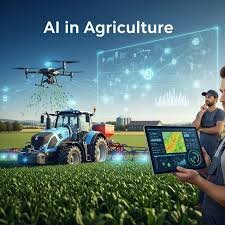
The story begins with sensors in soil, drones flying over crops, satellite images tracking plant health, and algorithms predicting everything from rainfall to disease outbreaks. The goal is simple: help farmers make better decisions using data instead of guesswork.
In this plot, the farmer is still the main character. AI just whispers suggestions, when to sow, how much water to use, which fertilizer actually makes sense, and when to harvest for maximum profit. Sounds smooth, right? Well, like every good story, there’s drama too.
How Smart Tech Is Changing the Game
One of the biggest upgrades AI brings is precision. Instead of watering an entire field equally, AI systems can tell which part of the land is thirsty and which isn’t. This saves water, money, and effort, something India desperately needs with declining groundwater levels.
Then there’s crop monitoring. AI-powered image recognition can spot early signs of pest attacks or plant diseases, sometimes before the human eye notices anything wrong. For farmers, that means early action instead of damage control after it’s too late.
Weather prediction has also leveled up. Traditional forecasts were often too broad, but AI models analyze local climate data to give more accurate, location-specific insights. It’s not perfect, but it’s way better than trusting vibes and village gossip.
Market intelligence is another low-key flex. Some AI tools help farmers decide when and where to sell their produce by tracking demand, pricing trends, and supply gaps. For once, middlemen don’t have all the power.
The Good Stuff: Why This Feels Like a Win
What makes AI genuinely exciting is its potential to reduce risk. Farming has always been high-stakes, especially for small and marginal farmers. When AI helps predict problems early, it can prevent massive losses and even farmer debt.
Productivity is another big plus. With better planning and resource use, crop yields can increase without expanding farmland. That’s huge for a country with a growing population and limited agricultural land.
There’s also a sustainability angle that actually makes sense. Less water wastage, fewer chemicals, and smarter fertilizer use mean farming can become more eco-friendly instead of slowly killing the soil.
And let’s not ignore the youth factor. Tech in agriculture makes farming look less “old-school” and more like a legit career option for young Indians who don’t want to leave their roots but also don’t want to live without Wi-Fi and innovation.
The Not-So-Good Part: Where Reality Hits Hard
Now for the uncomfortable truth. AI in farming sounds elite, but access is still a massive issue. Most small farmers can’t afford high-end sensors, drones, or subscription-based AI platforms. For them, this revolution feels distant, almost exclusive.
Digital literacy is another challenge. Not every farmer is comfortable with apps, dashboards, or data graphs. Without proper training, even the best AI tools become useless.
Data dependency also raises questions. Who owns the farm data? The farmer or the company providing the AI service? If tech giants control agricultural data, power dynamics could shift in scary ways.
And let’s be honest, AI isn’t always accurate. A wrong prediction about weather or disease can still lead to losses. Over-reliance on algorithms without human judgment is risky, especially in something as complex as nature.
What’s Likable About This Tech-Driven Shift
What really works is the collaboration vibe. When AI supports farmers instead of replacing them, magic happens. The idea that technology can respect traditional knowledge while enhancing it is genuinely wholesome.
There’s also something hopeful about seeing innovation reach villages. Solar-powered AI devices, regional-language farm apps, and government-backed agri-tech startups show that this isn’t just an urban fantasy.
The speed of improvement is another plus. AI systems learn fast. With more data, they get smarter, more accurate, and more relevant to local conditions. That adaptability gives this movement real long-term potential.
What Still Feels Off and Needs Fixing
The biggest turn-off is inequality. If only rich farmers benefit from AI, it could widen the gap within rural communities. Tech shouldn’t become another divider.
There’s also a trust issue. Many farmers are skeptical of machines telling them how to farm, understandably so. Building trust will take time, transparency, and consistent results.
Another concern is job displacement. Automation in farming could reduce demand for manual labor, affecting rural employment. Without alternative skill development, this could create social stress.
And finally, there’s policy lag. Technology is moving fast, but regulations, subsidies, and support systems are struggling to keep up. Without strong governance, AI could go from solution to problem real quick.
The Bigger Picture: Where This Story Is Headed
AI in farming isn’t a miracle fix, but it’s a powerful tool. Its success depends on how inclusive, affordable, and farmer-friendly it becomes. If governments, startups, and communities work together, this tech could genuinely transform Indian agriculture.
For the youth, this is an opportunity. Agriculture doesn’t have to be boring or outdated. It can be data-driven, innovative, and impactful. The future farmer might code in the morning, check soil data in the afternoon, and still respect age-old farming wisdom.
This isn’t just about crops. It’s about food security, climate resilience, and economic stability. And in that sense, AI in farming is less about machines and more about survival in a changing world.
Final Take
This is a story still being written. AI has entered the fields with big promises and mixed results. What happens next depends on how responsibly we scale it. If done right, it could be the most important upgrade Indian farming has seen in decades. If done wrong, it risks becoming just another shiny tool that forgot the people it was meant to help.