Reviews&Insights

Digital Minimalism: The Reset Our Generation Needs

Trending Now

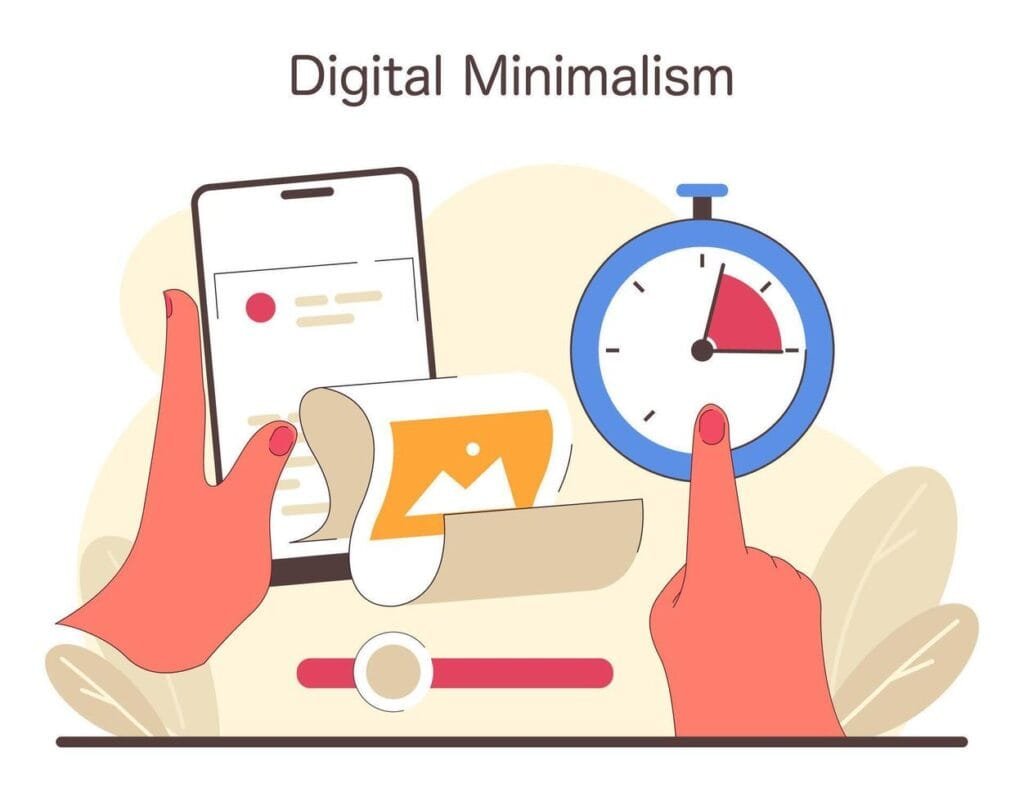
Digital Minimalism: The Reset Our Generation Needs Digital Minimalism is not about throwing your phone into the Arabian Sea and moving to the Himalayas. It’s about control. And honestly, our generation needs that more than ever. We wake up and the first thing we see is a screen. Notifications. News. Messages. Reels. Trends. Opinions. Noise. Before brushing our teeth, we’ve already consumed more information than someone in the 90s did in a week. And then we wonder why we’re tired without doing anything. I’m 25. I grew up with Orkut, Facebook, Instagram, and now AI tools that reply faster than humans. I love technology. It pays my bills. But somewhere between productivity apps and endless scrolling, I realized something scary: I was available to everyone except myself. The Plot: From Overstimulated to Intentional Imagine this like a coming-of-age story. The main character is you. Young, ambitious, slightly anxious, constantly online. Act One: You believe being connected equals being relevant. You join every platform. You respond instantly. You consume content like it’s oxygen. Your screen time hits 7–8 hours daily, and you still say, “I didn’t do anything today.” Act Two: Burnout creeps in. Your focus span shrinks. Watching a 10-minute YouTube video feels long. Reading two pages of a book feels impossible. Silence feels uncomfortable. You start comparing your life with curated highlights of strangers. Act Three: You decide to experiment. Not quit everything. Not delete your identity. But reduce. Remove. Redesign. You unfollow accounts that trigger comparison. You turn off non-essential notifications. You keep only apps that add value. You schedule time for social media instead of randomly opening it. Slowly, something shifts. You feel lighter. You think clearer. You start living more than documenting. That transformation is the real story. Mindful Tech Use: Reclaiming Attention in a Noisy World Our attention today is currency. Platforms fight for it. Brands pay for it. Algorithms study it. But we give it away for free. Digital minimalism, or mindful tech use, flips that script. Instead of asking, “What’s trending?” you ask, “Is this worth my time?” That one question changes everything. You stop checking your phone during meals. You stop sleeping with it next to your pillow. You stop opening apps just because you’re bored for 30 seconds. Boredom becomes normal again. And surprisingly, creativity returns. When your brain is not overloaded with constant updates, it starts thinking deeper thoughts. You get ideas. You reflect. You plan. It’s uncomfortable at first. Silence feels loud. But that discomfort is detox. The Positives: Why This Lifestyle Hits Different Let’s talk about what’s genuinely likable here. First, mental clarity. When you reduce digital clutter, your mind feels less crowded. You don’t wake up already overwhelmed. Second, improved focus. Studying, working, building a side project, everything becomes smoother when you’re not distracted every five minutes. Third, better relationships. When you’re fully present during conversations, people notice. Eye contact feels powerful in a world where everyone is half-looking at their screens. Fourth, self-awareness. Without constant comparison, you start understanding your own goals. You don’t feel pressured to chase every trend. There’s also a financial upside. Less exposure to targeted ads means fewer impulsive purchases. Your wallet quietly thanks you. For Indian youth juggling careers, exams, family expectations, and social life, this clarity is underrated. The Negatives: The Part Nobody Talks About But let’s not pretend it’s perfect. You might feel out of the loop. When everyone discusses a viral trend and you have no idea what they’re talking about, it feels awkward. There’s also FOMO. The fear that you’re missing opportunities, connections, or information. And here’s the honest part: many jobs today require being online. Content creators, marketers, designers, we can’t just disconnect completely. So balance becomes tricky. Another challenge? Discipline. There’s no external rule. You have to regulate yourself. And self-control is hard when apps are designed to keep you hooked. Plus, sometimes digital spaces genuinely help. You find communities, job leads, inspiration. Cutting down too much might isolate you if done blindly. So no, it’s not about deleting everything. It’s about intentional reduction, not extreme rejection. What’s Attractive About Digital Decluttering What I personally love about digital decluttering is the sense of power it gives back. When you choose when to respond instead of reacting instantly, you feel in control. When you post because you want to, not because the algorithm demands consistency, it feels authentic. When your phone becomes a tool, not a master, your confidence grows quietly. Also, your time expands. Two hours saved daily equals 60 hours a month. That’s almost 2.5 days. Imagine what you can build in that time. Learn a new skill. Hit the gym. Start a side project. Actually rest. Minimalism in the digital space creates space in real life. What’s Not So Attractive Let’s keep it real though. You’ll have moments of relapse. One quick scroll turns into 45 minutes. You’ll justify it as “research.” Friends might tease you for being “too serious.” You may struggle to explain why you’re not active everywhere. And sometimes, the online world is genuinely entertaining and comforting. Reducing it can feel like losing a coping mechanism. The goal isn’t to eliminate joy. It’s to remove excess. There’s a thin line between healthy use and overuse. Figuring that out takes experimentation. Creating Your Own Tech-Life Balance The best part about Digital Minimalism is that it’s customizable. You don’t need a dramatic announcement. Start small. Keep only essential notifications. Decide fixed times to check social media. Remove apps that don’t align with your goals. Keep your phone away while sleeping. Observe how you feel after a week. The shift won’t be loud. It will be subtle. Better sleep. Slightly longer attention span. More patience. And slowly, you’ll realize that being constantly connected was never the flex. Being centered is. Final Thoughts: A Quiet Revolution Our generation is ambitious. We want money, impact, freedom. But without focus, all that ambition scatters. Digital minimalism isn’t anti-technology. It’s pro-intention. It says use tech, don’t

Digital Minimalism: The Reset Our Generation Needs Read More »

India EU Free Trade Agreement: Why This Is the Mother of All Deals

Trending Now

India EU Free Trade Agreement: Why This Is the Mother of All Deals The India-EU free trade agreement sounds like one of those heavy policy topics that usually make people scroll past. But pause for a second, because this deal is low-key one of the biggest economic power moves India has attempted in decades. Think of it less like a boring agreement and more like a high-stakes global crossover episode. Two massive players. Different cultures. One long, complicated history. And now, a deal that could change how money, jobs, and influence flow across continents. For the youth of India, this isn’t just about exports, tariffs, or suits shaking hands in Brussels. It’s about opportunities, competition, and whether India is finally ready to play in the big leagues without filters or safety nets The Plot: A Slow-Burn Deal With High Stakes Every good story has a plot, and this one has been cooking for years. India and the European Union have been negotiating a free trade agreement on and off since 2007. That’s not a typo, this deal has seen more delays than your favorite movie sequel. But now, with global supply chains shifting and China no longer being the default manufacturing king, the timing suddenly feels right. The “plot” revolves around reducing trade barriers between India and 27 EU countries. That means fewer tariffs, smoother regulations, and easier access to each other’s markets. Europe wants India’s massive consumer base and talent pool. India wants European tech, investment, and easier access for its goods and professionals. Simple in theory, messy in execution. What This Deal Really Means for Young India Strip away the diplomatic language, and the deal is basically about access. Indian startups could find it easier to sell products in Europe. Students and professionals might see better mobility and recognition of skills. Manufacturing, IT services, pharmaceuticals, textiles, and green energy could all get a boost. At the same time, European brands could enter India more aggressively. That means more choices, better quality, but also tougher competition for Indian companies. For a generation obsessed with startups, side hustles, and global exposure, this agreement is less about trade charts and more about real-world impact. The Bright Side: Why This Could Be a Game-Changer One of the biggest positives is scale. The European Union is one of the world’s richest markets, and easier access to it could seriously upgrade India’s export game. Sectors like pharmaceuticals and IT services stand to gain big, especially since India already has a strong reputation there. Another win is investment. European companies bring not just money, but also advanced technology, sustainability standards, and long-term thinking. That could push Indian industries to level up instead of playing it safe. For the youth, that translates into better jobs, global exposure, and skills that actually matter worldwide. There’s also a soft power angle. This deal positions India as a reliable alternative manufacturing and innovation hub at a time when the world is desperate to diversify supply chains. That’s not just economic clout, it’s geopolitical confidence. The Flip Side: Where Things Get Tricky Now for the reality check. Free trade is never free of pain. One major concern is that small Indian businesses could struggle against large European corporations with deeper pockets and stronger brands. Competition is healthy, but only if everyone gets a fair chance to survive. Another sticking point is regulation. The EU has some of the strictest standards in the world, especially around environment, labor, and data protection. While that’s great in theory, Indian companies might find compliance expensive and complicated. If not handled carefully, this could widen the gap between big corporations and smaller players. There’s also the fear of dependency. Opening markets too fast without strengthening domestic industries can backfire. Critics argue that India needs to protect certain sectors until they’re fully ready to compete on a global level. What’s Likable: The Ambition and the Timing What’s genuinely likable about this deal is the confidence it reflects. India isn’t hiding behind protectionism anymore. It’s stepping into complex negotiations with one of the toughest trading blocs in the world and saying, “Let’s do business.” The timing also works in India’s favor. With global power dynamics shifting, India has leverage it didn’t have a decade ago. Young Indians, especially those building careers in tech, sustainability, and global services, stand to benefit the most if this agreement is executed smartly. What’s Not So Likable: The Uncertainty Factor What’s not likable is the lack of clarity. Trade deals are infamous for sounding great on paper and messy in practice. There’s still uncertainty around labor mobility, visa access, and how disputes will be resolved. For a generation that values transparency and speed, this slow and opaque process can feel frustrating. There’s also a communication gap. Most young Indians don’t fully understand how this deal affects them, and that’s a problem. Big decisions shouldn’t feel like elite conversations happening behind closed doors. A New Chapter in India-Europe Trade Relations Using keyphrases like “India Europe trade partnership” or “EU India economic deal,” it’s clear this agreement is about more than just numbers. It’s about aligning values, managing differences, and deciding how open India wants to be in a rapidly globalizing world. If done right, this deal could push Indian businesses to innovate faster, adopt global standards, and think beyond borders. If done wrong, it could deepen inequalities and leave smaller players behind. Final Take: Why the Youth Should Actually Care The India-EU free trade agreement isn’t just another headline; it’s a blueprint for India’s economic future. It affects where jobs come from, how startups scale, and how competitive Indian talent becomes on a global stage. For the youth, this is a moment to stay informed, ask questions, and demand transparency. Whether you’re coding in a startup, exporting handicrafts, or dreaming of working abroad, this deal could quietly shape your next decade. Big deal? Absolutely. The mother of all deals? Only time will tell, but the stakes couldn’t be higher.
India EU Free Trade Agreement: Why This Is the Mother of All Deals Read More »

Scroll to Top