
Resume Mistakes to Avoid If You Want That Job
Most of us Googled “resume format for freshers,” downloaded a template, filled it half-heartedly, and thought, “Haan, this looks professional.” But the truth is, Resume Mistakes to Avoid are the difference between getting shortlisted and getting ignored.
In today’s job market, recruiters don’t spend 10 minutes reading your CV. They scan it in seconds. Sometimes, it’s not even a human, it’s software filtering your application before it reaches a real person. Platforms like LinkedIn and global hiring systems powered by companies like Workday use applicant tracking systems that reject resumes without mercy.
So if your resume isn’t sharp, it’s gone.
Let’s talk about where most of us go wrong.
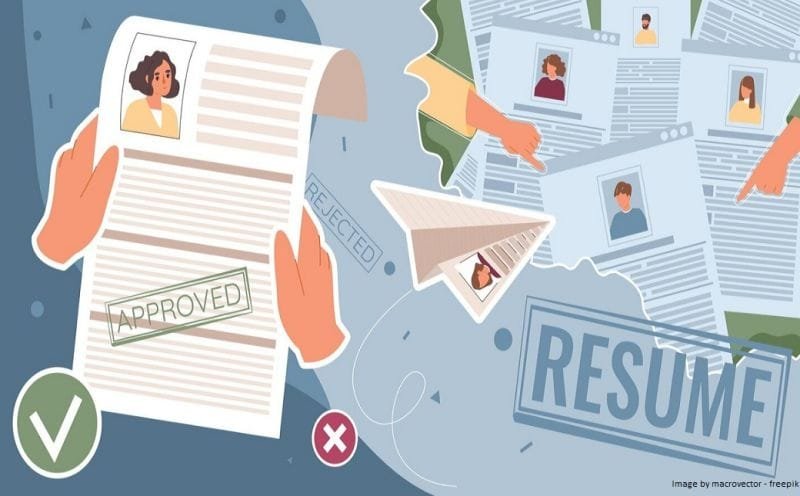
The Overcrowded CV Problem
One of the biggest CV errors is treating your resume like your life story.
School achievements, every workshop attended, random hobbies, school-level certificates, everything gets dumped into one document. The result? A cluttered mess.
Recruiters don’t care that you won a drawing competition in Class 8 unless you’re applying for a design role and it’s relevant. A resume is not nostalgia. It’s strategy.
Keep it tight. Keep it relevant. Keep it impactful.
The more focused your resume looks, the more confident you appear.
Copy-Paste Career Objectives
We’ve all seen it.
“Seeking a challenging position in a dynamic organization where I can utilize my skills and grow professionally.”
It sounds fancy but means nothing.
Generic career objectives are one of the most common resume blunders. They don’t tell the recruiter what makes you different. They tell them you downloaded a template.
Instead, write something specific. Mention your domain, your strengths, and what value you bring. Personalization shows effort.
And effort stands out.
Ignoring ATS and Keywords
This is where many talented candidates lose out.
Most companies use Applicant Tracking Systems (ATS) to filter resumes before a human even sees them. If your resume doesn’t include relevant keywords from the job description, it may get rejected automatically.
Let’s say you’re applying for a digital marketing role. If the description mentions “SEO,” “analytics,” and “campaign management,” those words need to appear naturally in your resume.
But don’t overdo it. Keyword stuffing looks robotic.
Balance is everything.
The Plot: From Marks to Market Value
Here’s the bigger plot.
In India, we grew up believing marks decide everything. 95% equals success. But once you enter the job market, the plot flips.
Companies don’t just hire marks. They hire skills, problem-solving ability, communication, and attitude.
Your resume is the first chapter of your professional story. If that chapter is confusing, exaggerated, or irrelevant, no one will continue reading.
The job market today is competitive. Thousands apply for one role. The plot isn’t about being perfect. It’s about being clear and relevant.
If your resume doesn’t instantly communicate your value, someone else’s will.
Too Much Design, Too Little Substance
Minimal design is powerful. Overdesign is distracting.
Yes, Canva templates look cool. Yes, creative resumes can work for design roles. But for most corporate jobs, simplicity wins.
Bright colors, funky fonts, unnecessary graphics, these can confuse both ATS software and recruiters.
Your content should shine, not your font choice.
Clean layout. Clear headings. Logical structure.
Professional doesn’t mean boring. It means readable.
Exaggerating Skills
Let’s address the elephant in the room.
Claiming “expert in Excel” after watching two tutorials. Writing “fluent in French” after learning basic phrases.
It might help you get shortlisted. But what happens when they test you?
Exaggeration is one of the riskiest resume mistakes to avoid. It damages credibility instantly.
Confidence is good. Fake confidence is dangerous.
Instead of overstating, show proof. Mention projects. Share outcomes. Numbers build trust.
“Increased Instagram engagement by 40% in 3 months” sounds stronger than “managed social media account.”
Positives: What a Good Resume Can Do
A strong resume can open doors you didn’t even knock on.
It can attract recruiters directly. It can position you as serious and prepared. It can even compensate for lack of experience if presented smartly.
When your resume is structured and achievement-focused, it builds authority. It tells the employer you respect their time.
Another positive? Clarity boosts confidence. When you clearly know your skills and achievements, interviews become easier.
Your resume isn’t just a document. It’s a mirror of your professional self-awareness.
Negatives: Where People Feel Stuck
Now let’s talk about the frustration.
Many freshers feel they don’t have “enough” to write. No big internships. No huge achievements. That insecurity leads to padding the resume with irrelevant information.
Another negative is comparison. Scrolling through polished profiles on Instagram or checking impressive career journeys on LinkedIn can make your journey feel small.
But remember, everyone starts somewhere.
You don’t need a 3-page resume. You need a clear one-page story.
What’s Likable in Modern Resume Trends
I genuinely like how the hiring process is shifting towards skills and portfolios.
Today, GitHub profiles, personal websites, and project links matter. Recruiters appreciate real work samples.
There’s also a growing focus on measurable achievements instead of generic responsibilities. That’s fair.
It rewards action-takers.
Another likable trend is remote hiring. Geography is less of a barrier. Your resume can reach companies outside your city, even outside India.
That’s empowering.
What’s Not So Likable
But let’s not pretend everything is perfect.
ATS systems sometimes reject strong candidates because of formatting issues. That feels unfair.
Also, the competition is more. With one click, hundreds apply. Standing out feels harder than ever.
And sometimes, companies don’t even respond. No feedback. No update. Just silence.
That can be demotivating.
But that’s exactly why avoiding resume mistakes is crucial. You can’t control the market, but you can control your presentation.
Final Thoughts: Your Resume Is Your Trailer
Think of your resume like a movie trailer.
It’s not the full story. It’s a highlight reel designed to make someone curious.
Avoid clutter. Avoid exaggeration. Avoid generic lines.
Focus on relevance. Focus on clarity. Focus on results.
The Resume Mistakes to Avoid are not complicated. They’re mostly about honesty, structure, and understanding what the recruiter actually wants.
In the next few years, as competition grows and hiring becomes more tech-driven, resumes will matter even more.
So don’t treat it like a formality.
Treat it like your personal brand document.
Because before you enter the interview room, your resume speaks for you.
Make sure it says the right things.