
Bhima Koregaon Park Shourya Divas: Epic Saga That Youth Can’t Ignore
If you’re a history-loving Indian who lives for stories with guts, Bhima Koregaon Park Shourya Divas is one phrase you need on your radar. Whether you’ve seen snippets on Insta, heard elders talk about the day, or got curious about that big crowd every January 1, there’s WAY more depth to this moment than meets the eye. It’s not just another date; it’s a living, breathing legacy that pulses through today’s culture and now, on screen, like a beat that refuses to stop. So buckle up!
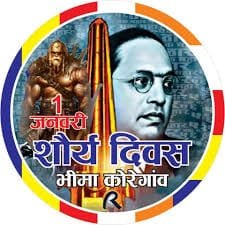
Bhima Koregaon Park Shourya Divas: Why Youth Still Show Up
Bhima Koregaon Park Shourya Divas is not just a historical remembrance — it’s an emotion, a statement, and a space where history meets today’s youth energy. Every year on 1st January, thousands of people, especially young Indians, gather at Bhima Koregaon near Pune to remember a battle that changed how resistance, dignity, and courage are defined in Indian history. This day isn’t about glorifying war. It’s about honoring self-respect, equality, and the power of standing tall when the odds are stacked against you.
For Gen Z, this isn’t dusty textbook history. It’s living memory. It’s reels, slogans, blue flags, conversations, and a reminder that the past still shapes the present.
The Plot of History: What Really Happened at Bhima Koregaon
Think of history here as a real-life plot, not fiction. On 1 January 1818, a small group of soldiers from the British East India Company, many of whom were from the Mahar community, faced a massive army of the Peshwa rulers near the Bhima River. The Peshwas represented a system deeply rooted in caste oppression, where marginalized communities were denied dignity and basic rights.
Despite being outnumbered, these soldiers fought back with determination and courage. The battle ended with the Peshwa forces retreating. For the oppressed communities of that time, this wasn’t just a military moment, it was proof that power structures can be challenged.
This is the core plot of Bhima Koregaon Park Shourya Divas: the story of the underrepresented refusing to bow down.
The Story Without Spoilers: Why It Still Matters
The story of Bhima Koregaon isn’t about who won or lost on paper. It’s about what the battle came to symbolize. Over time, it became a symbol of resistance against caste-based injustice and social hierarchy. The Vijay Stambh (Victory Pillar) was later erected to honor the soldiers who fought, many of whose names were erased elsewhere in history.
What makes the story powerful is that it doesn’t end in 1818. Every year, people come back to this place to say, “We remember.” The story continues through speeches, songs, poetry, art, and silent walks. No dramatic twists are needed; the reality itself is impactful.
Main Characters of Bhima Koregaon’s Legacy
This story doesn’t revolve around one hero. That’s what makes it different and relevant.
The Mahar Soldiers
They are the real protagonists. Ordinary people who were treated as “untouchable” by society but stood their ground on the battlefield. Their courage wasn’t just physical, it was emotional and social.
Dr. B. R. Ambedkar
Though not part of the original battle, Babasaheb Ambedkar is one of the most important figures connected to Bhima Koregaon. His visit to the Vijay Stambh in 1927 gave the battle a renewed meaning. For many youth today, Ambedkar’s ideology is the bridge connecting history with modern movements.
The Youth and Pilgrims of Today
Students, activists, artists, and everyday people who travel from different states are now part of this story. They carry the legacy forward — through blue scarves, slogans of equality, and conversations that challenge caste discrimination.
Bhima Koregaon Park Shourya Divas and Youth Identity
One reason Bhima Koregaon Park Shourya Divas resonates with young people is because it speaks the language of identity and assertion. Today’s youth are questioning systems, calling out injustice, and searching for representation. This event naturally aligns with those values.
For many, attending Shourya Divas is their first direct connection to community history. It’s where history feels personal, not imposed. The gathering becomes a space to learn, unlearn, and stand together without filters.
Positives: Why This Day Feels Powerful
The biggest positive of Bhima Koregaon Park Shourya Divas is visibility. Stories that were sidelined for centuries are now being spoken out loud. It encourages historical awareness beyond mainstream narratives and gives space to voices that were ignored.
Another strong point is unity. People from different regions, languages, and backgrounds come together with one shared purpose, remembrance with pride. The energy is peaceful yet powerful, serious yet hopeful.
Negatives: Where Things Get Complicated
At the same time, Bhima Koregaon Park Shourya Divas has faced challenges. Over the years, political narratives and misinformation have tried to hijack its meaning. Sometimes, the focus shifts from remembrance to controversy, which takes away from the core message of dignity and equality.
There’s also a gap in awareness. Many young Indians still don’t fully understand why this day matters, leading to surface-level opinions instead of informed conversations.
What’s Likable and What’s Not
What stands out is the authentic emotion. There’s no forced celebration, only remembrance rooted in self-respect. The presence of art, literature, and youth voices makes the event feel alive and relevant.
What’s not likable is how easily the narrative gets misunderstood or oversimplified. Reducing such a layered historical moment into binaries weakens its impact and creates unnecessary division.
Why Bhima Koregaon Still Belongs to the Future
Bhima Koregaon Park Shourya Divas isn’t stuck in the past. It’s a reminder that social justice is ongoing. For Gen Z, this story isn’t about glorifying one side, it’s about learning how resistance, unity, and courage shape societies.
In a time where young people are reclaiming history on their own terms, Bhima Koregaon stands as proof that memory itself can be an act of rebellion.
And that’s why, every January 1st, the youth still show up, not just to remember, but to assert that history, identity, and dignity will never fade.