Last Samurai Standing Review: Edo-Era Squid Game Energy
From the very first episode, Last Samurai Standing review feels like someone took classic samurai lore, mixed it with survival game madness, and said, “Let’s traumatise everyone in style.” This is not the calm, poetic Japan you’ve seen in traditional period dramas. This is loud, violent, desperate, and dripping with tension. And honestly? It works.
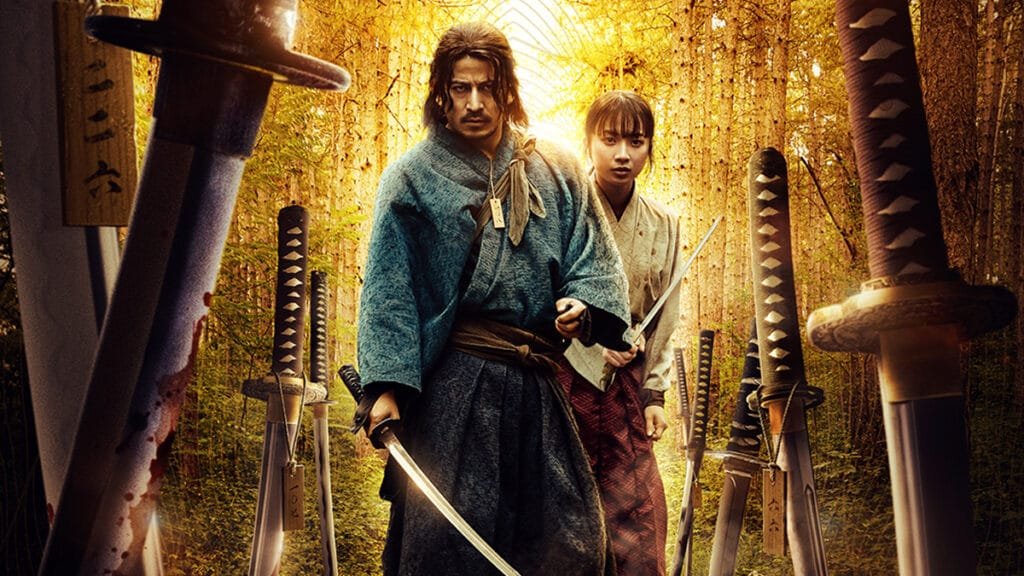
The plot is set in the late Edo period, a time when the age of samurai is fading, and uncertainty rules. Hundreds of skilled warriors are lured into a deadly competition with one promise: unimaginable wealth. The catch? Only one survives.
What starts as a test of swordsmanship quickly turns into a psychological battlefield. Alliances form, betrayals happen, and survival becomes less about honor and more about instinct. The plot constantly questions what a samurai really is when stripped of purpose, loyalty, and structure.
This isn’t just about killing your opponent. It’s about outthinking them, outlasting them, and sometimes becoming something you never wanted to be.
The story unfolds like a pressure cooker. Each episode raises the stakes, not just through violence but through emotional and ethical dilemmas. Characters are pushed into impossible situations where every choice comes at a cost: trust, morality, or life.
What’s smart is how the series balances action with quiet moments. Flashbacks reveal why these warriors are here in the first place. Some want redemption, some want escape, and some want to feel powerful again. The story never spoon-feeds emotions; it lets them hit naturally.
The narrative also plays with unpredictability. You’re constantly reminded that no one is safe, and assumptions are dangerous. That tension keeps the experience gripping without relying on cheap tricks.
Junichi Okada leads the series as Shujiro Saga, a ronin whose calm exterior hides years of regret and loss. Okada brings incredible physicality and emotional restraint to the role, making Shujiro feel like a man barely holding himself together. His performance anchors the entire series.
Riho Yoshioka plays Futaba Katsuki, one of the most compelling characters in the show. She’s sharp, observant, and emotionally layered. Her presence challenges the traditional gender dynamics of the samurai world without turning it into a lecture.
Yamada Yuki, as Shinjiro Matsumura adds raw intensity. His character thrives in chaos, and Yuki leans fully into that unpredictability. Supporting characters, played by a strong ensemble cast, each bring distinct fighting styles and philosophies, making every confrontation feel unique.
One of the biggest strengths is authenticity. The sword fights are brutal and grounded, not overly stylized. Every hit feels heavy, and every wound matters. The choreography focuses on realism rather than spectacle, which adds to the tension.
Visually, the series is stunning. Muddy battlefields, dim lantern-lit nights, and raw landscapes create a gritty atmosphere that never feels artificial. The cinematography knows when to go wide and when to sit uncomfortably close to the characters.
Sound design and background score deserve praise, too. Silence is used effectively, making certain moments hit harder than loud music ever could.
That said, the show isn’t perfect. The sheer number of characters can feel overwhelming initially. Some backstories don’t get enough time to fully land, which makes a few deaths feel more shocking than emotional.
Pacing can also be uneven. While the middle episodes are intense and focused, there are moments where the narrative slightly drags, especially during repeated survival challenges.
Viewers expecting deep historical exposition might feel the setting is more atmospheric than educational. The show prioritises emotion and survival over historical detail.
What makes this series likable is its refusal to romanticise violence. Every fight comes with consequences, and every victory feels hollow in some way. The show respects the intelligence of its audience, letting moral ambiguity exist without explanation.
The characters feel broken, desperate, and real. Their motivations aren’t heroic; they’re human. The series also avoids glorifying power, instead exposing how quickly it corrupts.
Another major win is how the show blends genres. It’s part historical drama, part survival thriller, and part psychological mind game without losing its identity.
If you’re sensitive to graphic violence, this series might be tough to get through. It doesn’t shy away from blood, brutality, or emotional trauma.
The lack of a clear “good vs evil” narrative may also frustrate some viewers. This is a morally grey world where survival often means compromise.
Also, those looking for light entertainment or easy viewing should probably stay away. This show demands attention and emotional investment.
Despite being set centuries ago, the themes scream modern relevance. Economic desperation, systems exploiting people, and the illusion of choice are things Gen Z constantly talks about.
The survival-game structure taps into popular modern storytelling while adding cultural depth. The aesthetic is gritty and cinematic, perfect for edits, discussions, and theory threads.
Most importantly, the series understands one thing clearly: survival doesn’t always mean winning. Sometimes it just means lasting one more day.
Wrapping up this Last Samurai Standing review, the series is intense, brutal, and unapologetically dark. It takes the samurai mythos and strips it down to its most uncomfortable truths.
While pacing issues and character overload hold it back slightly, the performances, action, and emotional depth make it a powerful watch. This isn’t a comfort series; it’s an experience that challenges and unsettles.
If you’re into survival dramas with brains, blood, and meaning, Last Samurai Standing is absolutely worth your time.