Black Mirror Netflix series: Why Tech Horror Hits Too Close
If you’ve ever stared at your phone and wondered whether it’s staring back at you, the Black Mirror Netflix series probably already lives rent-free in your head. This show doesn’t scream for attention with jump scares or flashy aliens. Instead, it quietly drags your everyday tech habits, filters them through a near-future lens, and then leaves you questioning your life choices at 2 a.m. For Indian Gen Z and millennials growing up in a hyper-online world, this series feels less like fiction and more like a warning message we keep ignoring.
Created by Charlie Brooker, Black Mirror is an anthology series, meaning every episode is its own universe. New story, new characters, new trauma. The common thread? Technology, society, and the uncomfortable mess that happens when humans stop knowing where to draw the line.
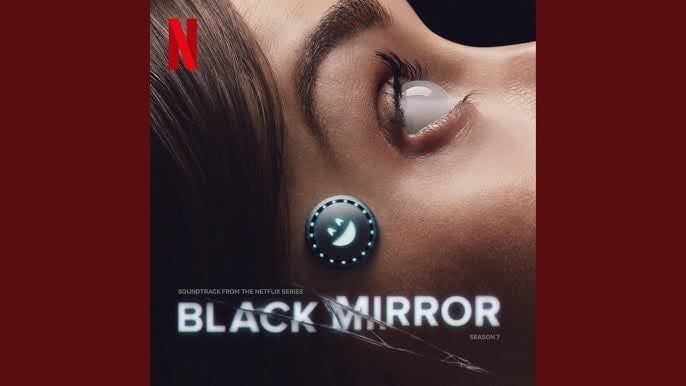
The Plot: Technology as the Main Villain
At its core, the plot of Black Mirror revolves around one simple but terrifying idea: what if the tech we love turns against us, not by force, but by design? Each episode explores a different “what if” scenario. What if social media literally decided your social status? What if memories could be replayed like Instagram stories? What if your online personality mattered more than your real one?
The show doesn’t follow a linear storyline, so you can jump into almost any episode without context. That freedom is part of its charm. One episode might be set in a pastel-colored world obsessed with ratings, while another throws you into a cold, militarized future run by algorithms. The unpredictability keeps things fresh, but also deeply unsettling.
Storytelling Without Spoilers: Why It Sticks With You
Talking about the story of Black Mirror without spoilers is tricky, because the real impact comes from the emotional punch at the end of each episode. What can be said is this: the writing is sharp, bold, and often brutal. Episodes usually start off calm, almost normal, and then slowly spiral into chaos. By the time the credits roll, you’re left staring at a black screen, rethinking your relationship with technology.
The stories don’t rely on over-the-top sci-fi concepts. Most ideas feel dangerously possible, which is what makes them hit harder. For Indian youth constantly navigating social media pressure, surveillance fears, and digital validation, the themes feel uncomfortably relatable.
Faces of the Future: Main Characters and Actors
One of the biggest strengths of Black Mirror is its rotating cast of powerhouse actors. Since every episode is standalone, the series attracts big names who fully commit to their roles.
Bryce Dallas Howard shines in “Nosedive,” portraying a woman trapped in a fake-smile society obsessed with ratings. Daniel Kaluuya delivers a haunting performance in “Fifteen Million Merits,” long before he became a global star. Jon Hamm appears in “White Christmas,” bringing emotional depth to one of the darkest episodes of the series.
Other notable performances include Jesse Plemons in “USS Callister,” Letitia Wright in “Black Museum,” and Anthony Mackie in “Striking Vipers.” Each actor brings authenticity, making even the most futuristic settings feel grounded and painfully human.
Tech Dystopia and Social Commentary
Using technology-driven dystopia as its backbone, the show doubles as a social commentary on modern life. It questions cancel culture, influencer obsession, data privacy, and emotional isolation. Unlike traditional sci-fi that focuses on distant futures, Black Mirror places its stories just a few steps ahead of where we already are.
The series doesn’t tell you what to think. It simply presents a scenario and lets your discomfort do the rest. That subtlety is why discussions around episodes continue long after watching. It’s not just entertainment; it’s a conversation starter.
What Works: The Positives That Make It Iconic
The biggest positive is originality. Very few shows dare to experiment this much and still land emotionally. The writing respects the audience’s intelligence, avoiding unnecessary explanations. Visually, the series is stunning, shifting aesthetics to match each story’s tone.
Another win is rewatch value. Even when you know what’s coming, the emotional layers reveal something new each time. The music, pacing, and dialogue work together to create an atmosphere that feels heavy but meaningful.
Where It Falters: The Negatives You Can’t Ignore
Not every episode is a hit. Some stories feel stretched, while others lean too hard into shock value. A few later-season episodes lack the subtlety that made earlier ones iconic, opting for louder messages instead of nuanced storytelling.
Also, the emotional heaviness can be exhausting. Watching multiple episodes back-to-back can leave you feeling mentally drained. It’s not always the kind of show you watch to relax, especially after a long day.
What’s Likable and What’s Not
What’s likable is the honesty. Black Mirror doesn’t pretend technology is evil, but it doesn’t worship it either. It understands human flaws and uses tech as a mirror, not a monster.
What’s not so likable is the inconsistency. Some episodes feel unforgettable, while others fade quickly. That uneven quality can be frustrating, especially when expectations are high.
Final Verdict: Should You Watch It?
If you enjoy shows that challenge your thinking and reflect modern anxieties, this series is worth your time. It’s bold, uncomfortable, and often brilliant. For Indian youth navigating a digital-first life, Black Mirror feels less like science fiction and more like a reality check.
It’s not perfect, but when it works, it really works. And in a world where screens control so much of our lives, maybe we need a show that dares to ask whether we’re still in control at all.