
Global Recession Fears 2026: Myth or Reality?
Global recession fears are everywhere in 2026. Instead of being limited to economists on TV, the topic is now part of group chats, LinkedIn posts, and dinner table conversations.
At 25, I did not expect to track inflation rates along with cricket scores. However, rising prices, hiring freezes, and stock market volatility have made economics feel personal.
Because social media amplifies every negative headline, uncertainty spreads faster than facts. Therefore, it becomes important to ask whether we are facing a real global downturn or just reacting to noise.
Although India’s economy continues to grow in many sectors, global interconnectedness means we cannot ignore what happens in the US, Europe, or China. Consequently, understanding the bigger picture helps us avoid panic-driven decisions.
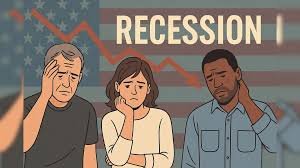
The Plot: How We Reached This Point
Firstly, every economic story has a buildup. After the pandemic recovery phase, economies experienced rapid growth supported by stimulus packages and easy credit policies.
Meanwhile, inflation started rising across countries due to supply chain disruptions and energy price shocks. As a result, central banks increased interest rates to control rising prices.
Then came tighter borrowing conditions and cautious corporate spending. Because higher interest rates make loans expensive, businesses slowed expansion plans.
Eventually, layoffs in tech companies and hiring freezes triggered fresh headlines. For example, global giants like Google and Meta announced restructuring moves over the past few years.
Now the tension in the plot revolves around whether these slowdowns signal a full-scale recession or just a cyclical correction. Hence, the debate continues between pessimists and optimists.
Economic Slowdown or Temporary Correction?
To begin with, a recession technically means two consecutive quarters of negative GDP growth. However, fear often spreads before official data confirms anything.
Moreover, global economic slowdown does not hit all countries equally. While some developed nations may struggle with stagnant growth, emerging economies like India often show relative resilience.
Because India has strong domestic consumption and a young population, internal demand cushions external shocks to some extent. Therefore, the situation here may differ from Western economies.
Additionally, sectors like renewable energy, digital services, and manufacturing continue to attract investment. As a result, blanket statements about collapse do not capture the full picture.
Still, global trade linkages mean exports and foreign investments can fluctuate. Consequently, India cannot remain completely insulated from global headwinds.
The Positives: Opportunities Hidden in Uncertainty
Thankfully, economic slowdowns also create unique opportunities. Because markets correct during uncertain phases, long-term investors often find better entry points.
Furthermore, startups tend to become more disciplined during tight funding cycles. As a result, sustainable business models gain priority over aggressive expansion.
Another positive angle is skill development. When hiring slows, many young professionals invest time in upgrading skills, certifications, and networking.
Moreover, governments often introduce stimulus measures or policy reforms during downturns. Consequently, infrastructure and public investment projects may generate new employment opportunities.
Also, financial awareness among youth improves during uncertain times. Therefore, conversations about emergency funds, diversification, and responsible spending become more common.
The Negatives: Real Risks We Cannot Ignore
However, global recession fears are not baseless. Because corporate earnings can shrink during slowdowns, layoffs and salary stagnation may increase.
Meanwhile, fresh graduates entering the job market may face intense competition. As a result, campus placements and entry-level hiring could become selective.
Additionally, high interest rates impact home loans and business expansion plans. Since borrowing costs rise, both consumers and entrepreneurs feel pressure.
Another concern is mental stress. When uncertainty dominates headlines, anxiety about financial stability grows among young earners.
Moreover, stock market volatility can test patience. Consequently, impulsive buying and selling decisions sometimes lead to avoidable losses.
What Is Likable About This Phase
Honestly, what I find somewhat encouraging is the push towards financial maturity. Because easy money phases often promote reckless spending, slower cycles force discipline.
Additionally, conversations about savings and investments have become mainstream among Gen Z and millennials. Since financial literacy content is widely accessible, learning feels easier than before.
Another likable aspect is resilience. When economies recover from downturns, stronger businesses and skilled professionals emerge.
Furthermore, innovation often thrives under constraints. Consequently, entrepreneurs find creative ways to solve problems with limited resources.
What Is Not So Attractive About the Situation
Still, uncertainty feels uncomfortable. Because job security matters deeply in a country with millions of young job seekers, instability hits hard.
Moreover, rising living costs combined with stagnant wages create financial strain. As a result, lifestyle upgrades may need to pause.
Another drawback is reduced risk appetite. Since investors become cautious, funding for experimental ideas may decline.
Additionally, social media exaggeration can distort reality. Consequently, fear sometimes spreads faster than balanced analysis.
Youth Perspective: How to Navigate 2026 Smartly
Looking ahead, reacting emotionally rarely helps in economic cycles. Because recessions are part of long-term market patterns, preparation matters more than prediction.
Therefore, building multiple income streams and maintaining an emergency fund can reduce stress.
Meanwhile, continuous learning remains a powerful hedge against uncertainty. As industries evolve, adaptable professionals stay relevant.
Ultimately, global recession fears may be partly real and partly amplified. Rather than choosing panic or denial, a balanced approach works better.
So instead of asking whether 2026 will collapse or boom, we should focus on strengthening our financial habits. In the long run, resilience and smart planning will matter more than dramatic headlines.