
Generative AI Is Changing the Game for Our Generation
Generative AI is no longer a futuristic concept from sci-fi movies; it’s a living, evolving reality shaping how we study, work, create, and even think. As a 25-year-old navigating career goals, side hustles, and digital chaos, I see Generative AI everywhere from drafting emails to creating art that looks like it belongs in a gallery in New York City. What felt experimental just a few years ago is now mainstream. And honestly, it’s both exciting and slightly overwhelming.
We grew up watching tech evolve at lightning speed. From Orkut scraps to reels that go viral overnight, our generation has adapted to every wave. Yet the rise of tools like OpenAI’s ChatGPT, Google’s Gemini, and AI art platforms like Midjourney feels different. This isn’t just a new app update. This is a shift in how content, code, music, and design are born.
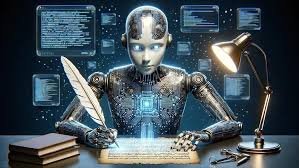
Understanding the Plot of Generative AI
Every big tech story has a plot. Generative AI’s storyline starts with data, massive amounts of text, images, code, and audio fed into machine learning models. These models learn patterns, structures, and relationships. Instead of simply analyzing information, they generate something new. That’s the twist.
Think of it like this: earlier AI systems were calculators. You input something, and they processed it. Generative AI, on the other hand, is more like a collaborator. You give it a prompt, and it responds with an essay, a song draft, a logo idea, or even a short film script. The narrative here is about transformation, from passive tools to creative partners.
India’s startup ecosystem, especially in cities like Bengaluru, is riding this wave hard. Founders are building AI-powered platforms for education, healthcare, finance, and content creation. For young professionals, this feels like standing at the edge of something massive. We’re not just consumers of this story; we’re characters in it.
Why Generative AI Feels So Relatable to Youth
Our generation values speed and creativity. Deadlines are tight. Attention spans are shorter than ever. Side projects are common. In that chaos, Generative AI feels like a productivity hack.
Students use it to simplify complex topics before exams. Designers use it to brainstorm concepts. Content creators refine captions and scripts in minutes. Coders debug faster. The appeal lies in accessibility. You don’t need to be a tech wizard to interact with it. You just need curiosity.
Another reason it connects with us is personalization. AI-generated playlists, recommendations, and content feel tailored. Streaming platforms like Netflix already trained us to expect customized experiences. Generative AI takes that expectation further by helping us create personalized outputs.
The Positives: Opportunity, Creativity, and Speed
One of the biggest advantages of Generative AI is how it democratizes creativity. Earlier, creating high-quality visuals or writing polished content required either years of practice or a budget to hire professionals. Now, someone with a laptop in a small town can design posters, draft business plans, or build prototypes.
Opportunities are expanding. Freelancers are offering AI-assisted services. Startups are automating repetitive tasks. Marketers are analyzing consumer behavior faster. Efficiency has become the new currency.
Speed is another major plus. Tasks that once took hours can now be done in minutes. That time saved can be reinvested in strategy, networking, or simply resting. For a generation constantly juggling multiple goals, that matters a lot.
Creativity also gets a boost. Contrary to the fear that AI replaces imagination, many young creators use it as a spark. A rough idea becomes a refined concept. A blank page turns into a structured draft. The collaboration feels empowering when used mindfully.
The Negatives: Dependency, Job Anxiety, and Authenticity Issues
Every story has conflict. Generative AI’s downside starts with over-dependency. When we rely too much on automated suggestions, our original thinking can take a backseat. If every assignment, caption, or idea is AI-assisted, are we sharpening our own skills enough?
Job anxiety is real too. Automation threatens certain roles, especially repetitive or entry-level tasks. Young graduates entering the job market might feel uncertain about which skills will remain relevant. While new roles are emerging, the transition phase can be uncomfortable.
Authenticity is another concern. When AI generates art, essays, and even voice clones, the line between human and machine-made content blurs. Trust becomes fragile. Misinformation can spread faster when content is produced at scale.
Data privacy also sits in the background as a silent issue. Most AI tools rely on vast datasets. Questions about how data is collected and used deserve attention, especially in a country like India where digital adoption is exploding.
What’s Truly Likable About This AI Revolution
There’s something undeniably cool about typing a random idea and watching it evolve into a structured output. The instant feedback loop feels addictive in a productive way. Exploration becomes easier. Experimentation becomes affordable.
Young entrepreneurs love the low entry barrier. You can validate ideas quickly without burning through savings. Students from non-tech backgrounds can learn coding basics with AI guidance. Language barriers shrink when translation tools improve communication.
Another likable aspect is inclusivity. People with disabilities can use AI-powered tools for voice-to-text, text-to-image, or simplified explanations. Access to information becomes smoother.
Most importantly, Generative AI makes us rethink our potential. If routine tasks are automated, we can focus more on strategy, empathy, storytelling, and leadership. Those human traits gain value.
What’s Not So Great and Needs Caution
Despite the hype, not everything about Generative AI feels comfortable. Creative industries worry about intellectual property. Artists question whether their styles are being replicated without consent. Writers debate originality.
Mental laziness is another subtle risk. When answers are available instantly, the patience to research deeply might fade. Growth often comes from struggle, and removing all friction may reduce resilience.
There’s also the pressure to keep up. Trends move fast. New AI tools launch almost every week. Keeping track can feel exhausting. Fear of missing out becomes a constant background noise.
The Future of AI-Driven Creativity and Careers
Looking ahead, Generative AI is not a passing phase. It’s integrating into education systems, corporate workflows, and personal devices. Universities are updating policies. Companies are training employees to work alongside AI instead of competing with it.
For our generation, the smartest move is adaptation. Learning prompt design, understanding ethical AI use, and building complementary skills like critical thinking and communication will be key. Tech literacy is becoming as essential as basic computer skills once were.
India’s demographic advantage, a young population hungry for growth, can turn this into an opportunity. If guided properly, Generative AI can help bridge gaps in education, healthcare access, and small business scalability.
Final Thoughts: A Tool, Not a Replacement
Generative AI is powerful, but it’s still a tool. It reflects the intent of the person using it. When used responsibly, it amplifies creativity and productivity. When misused, it creates confusion and dependency.
Our generation stands at a unique intersection. We understand the pre-AI internet, and we’re shaping the AI-powered future. That dual perspective gives us an edge.
Instead of fearing the change, we can shape it. Instead of resisting, we can learn and lead. Generative AI is rewriting the rules, and whether we like it or not, we’re part of the storyline. The question is simple: will we just scroll through this era, or will we build something meaningful with it?