HEALTH
Telemedicine Future Explained: Doctor Visits Are Going Digital
The telemedicine future isn’t some sci-fi concept anymore. It’s already sitting in your phone, right next to food delivery apps and UPI payments. One tap and suddenly, you’re talking to a doctor from your bedroom, hostel, or office break room. For a generation that hates waiting rooms and long queues, this feels like a major upgrade. But just because healthcare has gone digital doesn’t mean it’s flawless. Like every tech-driven shift, telemedicine comes with both comfort and complications.
The Plot: Healthcare Meets the Internet Generation
If this topic had a plot, it would start with frustration. Long hospital lines, rushed consultations, expensive visits, and zero flexibility. Then enters telemedicine, promising speed, accessibility, and control. The story quickly turns into a clash between traditional healthcare systems and a generation that expects everything on demand.
The twist? Technology makes healthcare more reachable, but not always more personal. The future of digital healthcare is exciting, but it’s also testing how much medicine can rely on screens without losing its human touch.
What Telemedicine Really Means Today
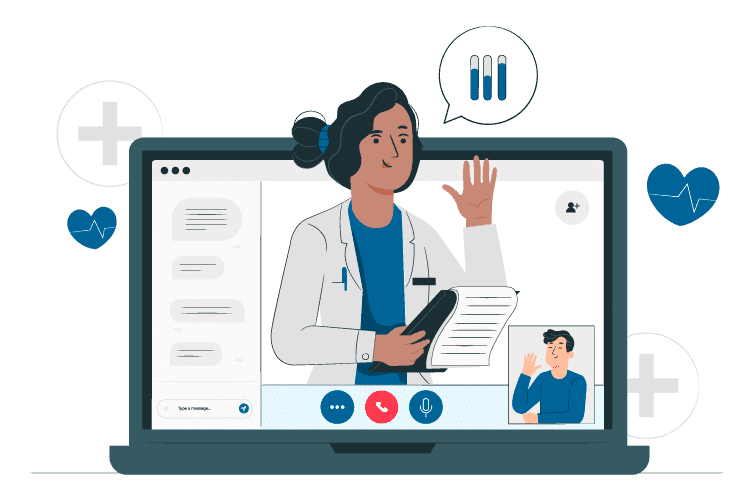
Telemedicine isn’t just video calls with doctors. It includes online consultations, digital prescriptions, mental health sessions, follow-ups via chat, and remote monitoring through apps and devices. It’s healthcare designed for a world where time is limited, and attention spans are shorter.
For youth who already manage life online, this feels natural. You don’t have to skip classes or take a day off work to consult a doctor. That convenience alone explains why telemedicine has exploded in popularity.
The Positives: Why Digital Healthcare Feels Like Progress
The biggest win is accessibility. People in smaller towns or areas with limited medical facilities can now consult specialists without traveling long distances. That’s huge, especially in a country like India, where healthcare access is uneven.
Another major advantage is time efficiency. No travel, no waiting rooms, no unnecessary delays. You book a slot, talk to a professional, and move on with your day. For working youth and students, this flexibility matters more than ever.
Mental health support has also benefited massively. Online therapy has reduced stigma and made help feel more approachable. Talking to a professional from a safe space feels less intimidating, which encourages more people to seek support early.
The Negatives: Where the System Still Struggles
Despite the hype, telemedicine isn’t a complete replacement for physical care. Certain conditions require physical examination, tests, or immediate intervention. Screens have limits, and pretending otherwise can be risky.
There’s also the issue of misdiagnosis. Without hands-on evaluation, doctors rely heavily on patient descriptions, which aren’t always accurate. This can lead to errors, especially in complex cases.
Privacy is another concern. Health data is sensitive, and not all platforms handle it responsibly. Trusting apps with medical information requires strong regulations, which are still evolving.
What Makes This Shift Likable
One of the most likable things about telemedicine is empowerment. Patients feel more involved in their healthcare decisions. You can ask questions, get second opinions, and access information without feeling rushed or judged.
It also normalises preventive care. Quick consultations encourage people to address issues early instead of waiting until things get serious. That shift alone could improve long-term health outcomes.
What’s Not So Likable
The digital divide is real. Not everyone has reliable internet, devices, or digital literacy. While telemedicine increases access for many, it can unintentionally exclude others.
There’s also the risk of over-commercialisation. Some platforms push consultations like products, prioritising speed over quality. Healthcare shouldn’t feel like fast service with ratings and discounts.
India’s Role in the Telemedicine Revolution
India is uniquely positioned in this space. With a massive population, growing smartphone usage, and a shortage of doctors in rural areas, telemedicine could be a game-changer.
For Indian youth, this shift feels natural. We’re already used to managing finances, education, and work online. Adding healthcare to that list makes sense. But it also demands responsibility from platforms, professionals, and users.
The Future Outlook: Hybrid Is the Key
The real future of digital healthcare isn’t fully online or fully offline. It’s hybrid. Routine consultations, follow-ups, and mental health support can stay digital, while critical and complex care remains in-person.
Technology should support doctors, not replace them. AI tools, digital records, and remote monitoring can enhance care, but human judgment will always matter. The best systems will blend convenience with caution.
Final Take: Progress With Boundaries
The telemedicine future is exciting, necessary, and already happening. It fits perfectly into modern life, especially for youth who value speed and flexibility. But healthcare isn’t just another service, it’s personal, sensitive, and complex.
Telemedicine works best when used wisely, not blindly. It’s a powerful tool, not a magic solution. As this space grows, the goal shouldn’t be just digital access, but quality, trust, and balance. Because at the end of the day, good healthcare isn’t about screens, it’s about care.