HEALTH
Anxiety vs Stress Explained: Your Mind Isn’t Just “Overreacting”
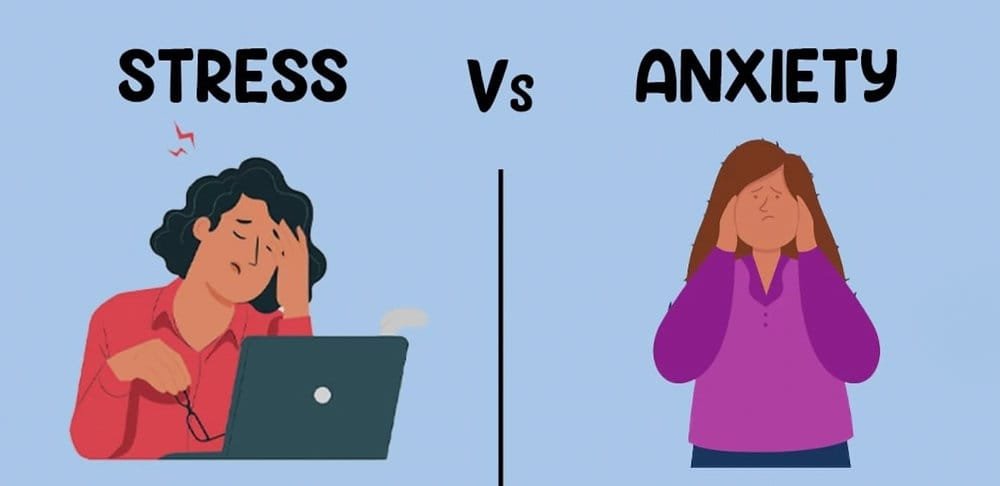
Anxiety vs stress is one of those comparisons people casually throw around like they mean the same thing. “I’m stressed,” “I have anxiety,” “This exam anxiety is killing me”, we use these words interchangeably, especially in our twenties when life feels like one long notification we can’t swipe away. But here’s the truth: stress and anxiety are cousins, not twins. Understanding the difference isn’t about labels or self-diagnosis. It’s about clarity, self-respect, and knowing when your mind needs rest versus real support.
The Plot: A Mental Drama We’re All Starring In
If this topic had a plot, it would look painfully familiar. A young adult juggling deadlines, expectations, money worries, family pressure, and a constant need to “figure life out.” Stress enters first, loud and demanding. It shows up because something external is pushing you. Anxiety enters quietly later, stays longer, and doesn’t always need a reason.
The drama unfolds when we ignore the early signs. Stress feels manageable, almost productive at times. Anxiety feels heavier, more personal, and harder to explain. The problem is, we often treat both the same, telling ourselves to “calm down” or “push through,” even when that advice clearly isn’t working.
Understanding Stress: Loud, Temporary and Situation-Based
Stress is usually tied to something specific. Exams, interviews, deadlines, money, relationships, there’s a clear trigger. Your body reacts because it thinks you need to survive or perform. Heart rate goes up, thoughts race, sleep gets weird. But once the situation passes, stress often fades too.
In small doses, stress isn’t the villain. It can push you to prepare, focus, and get things done. That pre-presentation nervous energy? That’s stress doing its job. The problem starts when stress becomes constant, with no pause button. That’s when it stops being helpful and starts draining you.
Understanding Anxiety: Quiet, Persistent, and Internally Driven
Anxiety doesn’t always need a deadline or a trigger. It can show up on a perfectly normal day and whisper worst-case scenarios into your head. It’s more about anticipation than reaction. You’re not responding to a threat; you’re expecting one.
This is why anxiety feels confusing. You might know logically that things are fine, but your body doesn’t agree. Tight chest, restless thoughts, constant worry, overthinking conversations that already ended, anxiety lives in the “what if,” not the “what is.” And unlike stress, it doesn’t automatically leave when the situation changes.
Anxiety vs Stress in Daily Youth Life
In college or early career life, the line between these two gets blurry. Stress might come from workload or expectations. Anxiety might grow from comparison, fear of failure, or uncertainty about the future.
The key difference is duration and control. Stress usually reduces when the problem is solved. Anxiety sticks around even when there’s nothing to fix. One is about pressure. The other is about fear, often irrational, but very real.
The Positives: Why These Feelings Exist at All
Let’s be clear: neither stress nor anxiety makes you weak. They exist for a reason. Stress helps you respond to challenges. Anxiety, in its mild form, can make you cautious and self-aware. Both are part of being human, especially in a fast-paced, hyper-connected world.
Another positive is awareness. The fact that youth today talk openly about mental health is progress. Recognising these feelings is the first step toward managing them instead of letting them run the show.
The Negatives: When the Mind Goes on Overdrive
The downside is obvious. Chronic stress can lead to burnout, irritability, and physical health issues. Anxiety can shrink your world, making you avoid situations, overthink decisions, and doubt yourself constantly.
What’s worse is the guilt. People often blame themselves for not being “strong enough.” That mindset only adds another layer of pressure. Stress and anxiety aren’t character flaws; they’re signals.
What’s Likable: The Growing Conversation Around Mental Health
One of the most likable things about this generation is how openly we talk about mental health. Therapy isn’t taboo anymore. Taking mental health breaks is becoming normal. There’s more empathy and less judgment than before.
Social media, for all its flaws, has also helped people realise they’re not alone. Seeing others talk honestly about anxiety and stress can be validating, especially when you’ve spent years thinking something was “wrong” with you.
What’s Not Likable: Romanticising and Misusing the Terms
On the flip side, mental health language is sometimes overused or misunderstood. Stress gets worn like a badge of hustle. Anxiety becomes a casual adjective instead of a serious condition. This blurring can minimise real struggles and discourage people from seeking help when they actually need it.
There’s also pressure to “heal fast” or “stay positive,” which can feel invalidating. Not every bad day needs motivation quotes. Sometimes it just needs rest and understanding.
Learning to Respond, Not Suppress
The goal isn’t to eliminate stress or anxiety completely. That’s unrealistic. The goal is to respond instead of suppressing. Stress might need better boundaries, time management, or rest. Anxiety might need deeper self-work, support, or professional help.
Knowing the difference helps you choose the right response. Treating anxiety like stress often leads to frustration. Treating stress like anxiety can make things feel bigger than they are.
Final Take: Your Feelings Are Trying to Tell You Something
Understanding anxiety vs stress isn’t about putting yourself in a box. It’s about listening. Your mind isn’t broken; it’s communicating. Stress says, “Something needs attention.” Anxiety says, “Something feels unsafe.” Both deserve care, not dismissal.
In a world that constantly demands productivity, choosing mental clarity is an act of self-respect. You don’t need to have it all figured out. You just need to start paying attention, without judgment, without comparison, and without rushing yourself.