The Wheel of Time Review: Why This Fantasy Hits Different
If you’ve been scrolling for a high-stakes fantasy that feels massive but still personal, The Wheel of Time review conversation is hard to dodge right now. Prime Video’s adaptation of Robert Jordan’s iconic book series walks in with serious ambition—ancient prophecies, morally grey heroes, and a world that feels older than history itself. For a 25-year-old Indian viewer who grew up on mythology, anime arcs, and long-form storytelling, this show lands somewhere between “wow, that’s epic” and “okay, slow down, tell me why I should care.” And that tension is exactly what makes it interesting
Plot Vibes: Destiny, Power, and a World on Edge
At its core, the show is about the balance between light and darkness, choice and fate. The world is cyclical, time repeats itself, and history refuses to stay buried. A powerful magic order believes that one person, reborn across ages, can either save everything or burn it all down. When whispers of this rebirth start circling a small town, chaos follows. What unfolds is a journey across kingdoms, cultures, and conflicts where magic isn’t just flashy, it’s political, dangerous, and deeply emotional.
Story Without Spoilers: The Slow Burn Test
The storytelling plays the long game. Instead of throwing answers at you, the series asks you to sit with questions. Who can be trusted? What does power cost? And can destiny be hacked? The narrative shifts perspectives often, which helps build the scale but also demands patience. Some episodes glide with momentum, while others feel like they’re setting chess pieces on a board you can’t fully see yet. For viewers used to instant payoffs, this can feel like homework. But if you stick with it, the emotional beats do start landing harder.
Main Characters and the Faces Behind Them
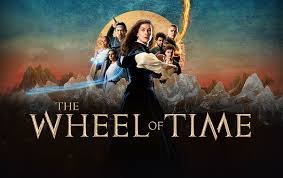
Rosamund Pike leads the charge as Moiraine Damodred, a calm but intimidating magic user who knows more than she says. Pike brings gravitas and quiet intensity, making Moiraine feel like the adult in a room full of chaos. Daniel Henney plays Lan Mandragoran, her stoic warrior companion, and honestly, his controlled performance says more with silence than many characters do with speeches.
The younger cast brings raw energy. Josha Stradowski as Rand al’Thor captures the confusion of being ordinary in an extraordinary mess. Zoë Robins’ Nynaeve is fierce, emotional, and unapologetically strong, while Madeleine Madden’s Egwene balances curiosity with courage. Marcus Rutherford gives Perrin a gentle depth, and the Mat character played initially by Barney Harris and later by Dónal Finn, adds unpredictability and street-smart charm. Together, they feel like a found family, even when they’re fractured.
Prime Video Fantasy Energy: What Works
One of the biggest wins is world-building. The landscapes, costumes, and cultures feel lived-in, not cosplay-level fake. The magic system has rules, consequences, and visual flair without looking like a video game cutscene. There’s also a refreshing attempt at diversity that doesn’t feel forced; characters from different backgrounds exist naturally in this world.
Another strong point is the thematic depth. Power isn’t glamorized. Leadership is messy. Faith clashes with fear. These ideas resonate, especially for a generation that questions authority and inherited narratives. The show also respects emotional trauma, characters carry scars, and the story doesn’t rush them into becoming heroes overnight.
Where the Wheel Wobbles: The Negatives
Pacing is the most common complaint, and it’s valid. Some episodes feel stretched, while others rush through moments that deserved more breathing room. If you’re not familiar with the books, the lore can feel dense, almost gatekeeping at times. Names, places, and prophecies drop fast, and the show assumes you’ll keep up.
There are also tonal shifts that don’t always land. A scene might move from intimate character work to large-scale conflict so quickly that the emotional connection gets diluted. And while most performances are strong, a few side characters feel underwritten, making their arcs less impactful.
What’s Likeable: Why You Might Stay
The ambition is magnetic. You can feel that the creators are building something huge, not just chasing trends. The female characters are written with agency and complexity, which is a win. The music and sound design elevate key moments, and when the show clicks, it really clicks. There’s a sense of mythology here that feels timeless, tapping into the same energy that makes ancient epics and modern fantasy resonate across generations.
What’s Not So Likeable: Why You Might Dip
If you need instant clarity and fast rewards, this might test your patience. The emotional investment required is high, and the payoff isn’t always immediate. Some dialogue leans heavy on exposition, which can pull you out of the moment. And yes, if you’re allergic to long fantasy arcs that demand commitment, this world might feel overwhelming.
Final Take: Is It Worth Your Time?
This The Wheel of Time review lands on a balanced note. It’s not perfect, but it’s bold. It asks for patience, curiosity, and a willingness to get lost before being found. For Gen Z viewers who enjoy layered storytelling, moral complexity, and worlds that don’t spoon-feed answers, this series has real potential. It’s a fantasy that grows on you slowly, stubbornly, and then all at once.