Single Papa Review: Fatherhood, Feelings & Fresh Gen-Z Vibes
Right from episode one, this Single Papa review feels like a deep exhale. The series doesn’t scream for attention with dramatic twists or over-the-top humor. Instead, it quietly pulls you in with its honesty. Single Papa is one of those shows that looks light on the surface but slowly reveals emotional depth underneath. It’s about parenting, yes, but more importantly, it’s about growing up even when life doesn’t give you time to prepare.
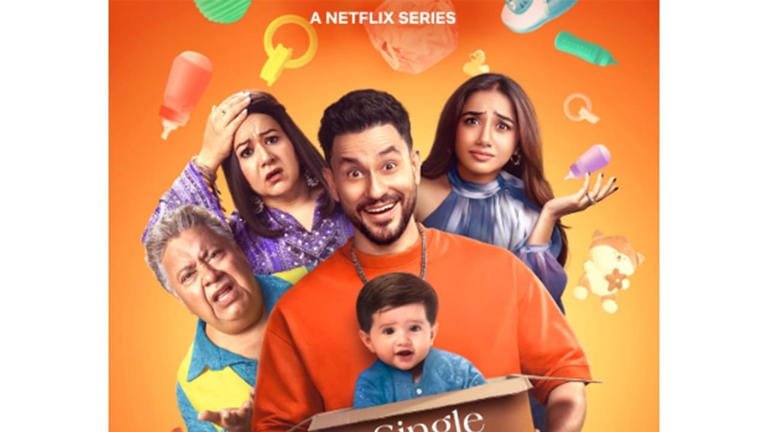
The plot revolves around Kabir, a young widowed father navigating life while raising his school-going daughter all by himself. Between work deadlines, school meetings, and personal grief, Kabir is constantly trying to hold things together, often failing, but never giving up.
The plot doesn’t chase big conflicts. Instead, it focuses on everyday struggles: missed calls, forgotten lunches, emotional distance, and the fear of not being enough. What makes it engaging is how these small moments slowly build into something meaningful.
This is not about a man becoming a “hero dad.” It’s about a human trying to survive the responsibility that arrived too early.
The story flows gently, taking its time to build emotional connections. Each episode feels like a chapter from real life rather than a dramatic setup. There are laughs, but they come naturally. There are tears, but they’re earned.
The series smartly avoids melodrama. Instead of dramatic background music telling you how to feel, it lets silence and subtle performances do the work. The emotional arc focuses on healing, communication, and understanding between parent and child, and within oneself.
What works well is that the story respects its audience. It doesn’t over-explain grief or parenting. It shows it, quietly and honestly.
Abhishek Bachchan plays Kabir, and this might be one of his most grounded performances. He brings restraint and vulnerability to the role, making Kabir feel like a man constantly tired but still hopeful. There’s no dramatic overacting, just quiet emotion and tired smiles.
The daughter, played by Inayat Verma, is the heart of the show. She’s not written as an overly cute child or an unrealistically mature one. She’s confused, expressive, stubborn, and emotionally sharp, exactly how a child dealing with loss would be.
Shreya Dhanwanthary plays Meera, Kabir’s colleague and friend. Her character adds warmth and emotional support without turning into a forced romantic subplot. Supporting performances from actors like Gajraj Rao and Neena Gupta add layers of humor and wisdom, making the world feel lived-in.
One of the biggest positives is emotional realism. The show understands that healing isn’t linear. Kabir doesn’t magically figure things out. He makes mistakes, apologizes, and learns sometimes too late.
The writing is subtle and thoughtful. Dialogues feel conversational rather than dramatic. The show also deserves credit for portraying masculinity in a softer, healthier way. Kabir cries, doubts himself, and asks for help, and the show treats that as strength, not weakness.
The pacing works in its favor. It doesn’t rush moments, allowing emotions to settle. The background score is minimal and effective, never overpowering scenes.
That said, the series isn’t flawless. Some episodes feel slightly repetitive, focusing on similar emotional beats. While that adds realism, it can also slow down momentum.
A few side characters feel underdeveloped. You get glimpses of their stories, but not enough depth to fully invest in them. There are also moments where the writing plays a little too safe, avoiding tougher conversations that could’ve added more impact.
Visually, the show keeps things simple, which works emotionally, but some viewers might find it visually plain.
What really makes this series likable is its warmth. It doesn’t judge its characters. It lets them be flawed without punishing them harshly.
The father-daughter bond is beautifully written. Their conversations, silences, and small gestures feel incredibly real. The show also handles grief with sensitivity, never using it as a dramatic shortcut.
Another strong point is how it reflects modern Indian parenting as less authoritarian, more emotional, and deeply confused. That honesty is refreshing.
If you’re looking for high-energy drama or constant plot twists, this might feel too slow. The series values emotion over excitement.
Some viewers might find the tone too gentle, especially if they prefer sharper humor or heavier conflicts. It’s a show that asks for patience and emotional presence.
Also, those expecting a traditional family drama with clear villains and heroes may feel the narrative is too subtle.
Despite being about parenting, the show resonates strongly with Gen Z themes. Emotional availability, mental health, communication gaps, and redefining family roles are things young audiences deeply care about.
Kabir’s struggle with societal and personal expectations mirrors what many young adults face today. The series also normalizes vulnerability, something Gen Z actively values.
The tone is calm, comforting, and reflective, perfect for viewers who want stories that feel personal rather than performative.
Wrapping up this Single Papa review, the series is a gentle, heartfelt take on modern fatherhood and emotional growth. It’s not loud, flashy, or dramatic, but it doesn’t need to be.
While it has pacing issues and plays it safe at times, strong performances and emotional honesty make it worth watching. This is a show that understands that healing takes time, and love doesn’t always come with instructions.
If you’re in the mood for something warm, real, and quietly powerful, Single Papa delivers exactly that.