City of Shadows Review: Crime, Chaos & Neon Noir Done Right
From the very first episode, this City of Shadows review makes one thing clear: this is not a comfort watch. It’s moody, sharp-edged, and soaked in darkness, both literal and emotional. The city here isn’t just a backdrop; it’s a living, breathing character that watches, judges, and destroys quietly. Think rain-soaked streets, flickering neon lights, and people who smile while hiding damage underneath.
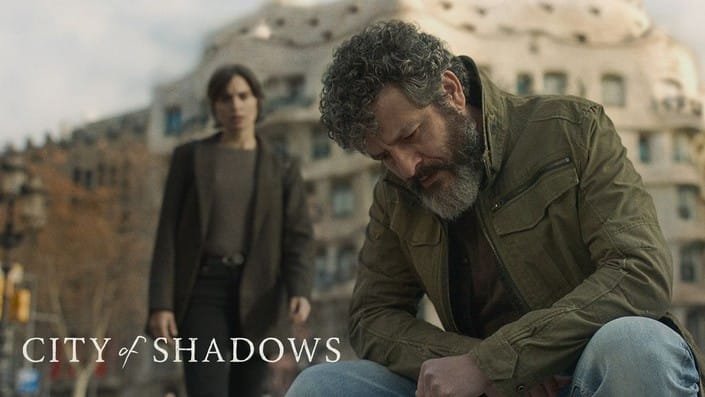
The plot revolves around a city controlled by crime syndicates, corrupt systems, and people desperate to survive between the cracks. At the center is a high-profile crime that exposes a network of secrets linking politicians, law enforcement, media, and the underworld.
Rather than focusing on a single hero, the plot weaves multiple perspectives together. Each character is chasing something: justice, redemption, power, or escape,e and the city responds brutally to all of them. The plot builds slowly but steadily, showing how one decision can trigger consequences that spiral out of control.
This isn’t about flashy crime solving. It’s about what happens when truth threatens systems built on lies.
The storytelling is layered and patient. The series unfolds like a puzzle where every episode adds another piece, but never the full picture. Flashbacks, parallel timelines, and shifting viewpoints keep things engaging without becoming confusing.
What really works is the emotional grounding. The story isn’t obsessed with shock value. Instead, it focuses on the psychological toll of living in constant fear, guilt, and ambition. Characters make morally questionable choices, and the show doesn’t judge them; it lets the consequences speak.
The tension doesn’t come from “what happens next” as much as “how far will this go.” And that slow burn is exactly what makes the story effective.
Rajkummar Rao leads the series as Inspector Arjun Malhotra, a cop haunted by past failures and impossible choices. Rao delivers a restrained, intense performance, letting silence do most of the work. His Arjun isn’t a heroic figure;e he’s tired, broken, and still trying.
Radhika Apte plays Maya Sen, an investigative journalist who refuses to stay quiet even when silence would keep her safe. Apte brings sharp intelligence and emotional depth to the role, making Maya one of the most compelling characters in the series.
Vijay Varma steals scenes as Kabir Khan, a crime lord who doesn’t rely on loud threats. His calm, calculating presence is unsettling, and Varma plays him with terrifying ease. Supporting performances from actors like Shefali Shah and Jaideep Ahlawat add layers of authority, vulnerability, and menace to the world.
Every character feels purposeful. No one exists just to move the plot forward.
One of the biggest positives is the atmosphere. The cinematography captures urban isolation beautifully, with dark alleys, crowded streets, and empty rooms filled with regret. The city feels alive and hostile, reinforcing the show’s themes.
The writing is another strength. Dialogues are sharp but realistic, avoiding dramatic monologues. Conversations feel like real people talking around the truth rather than directly at it.
The performances across the board are strong. Even minor characters leave an impact, which adds credibility to the world-building. The background score is subtle, using silence as a weapon rather than relying on loud music.
That said, the series isn’t perfect. The pacing might feel slow for viewers who expect constant action. Some episodes lean heavily into mood, which could test patience.
A few subplots feel underdeveloped, especially involving secondary characters whose arcs deserved more screen time. There are also moments where the narrative complexity slightly overwhelms emotional clarity.
The darkness, both visual and thematic, can feel heavy if watched too closely together. The show doesn’t offer much relief or humor, which might be exhausting for some viewers.
What stands out most is its honesty. The show doesn’t glorify crime or corruption. It presents them as ugly, damaging forces that consume everyone involved.
The moral ambiguity is refreshing. There are no perfect heroes or cartoon villains. Everyone is flawed, and the show allows characters to exist in that grey space.
The emotional realism also deserves credit. Trauma isn’t treated as a plot device; it lingers, affects decisions, and changes people.
If you’re someone who prefers fast-paced storytelling or clear-cut resolutions, this series might frustrate you. It values depth over speed and questions over answers.
The lack of traditional “feel-good” moments may also be a turn-off. This is a heavy show that demands emotional attention.
Also, viewers expecting a typical crime thriller with neat endings might find the ambiguity unsettling.
Despite its darkness, the series resonates strongly with Gen Z themes. Distrust in systems, the cost of ambition, mental health struggles, and the fight to be heard are all deeply relevant.
The aesthetic neon noir, muted palettes, and urban loneliness feel designed for modern tastes. It’s the kind of show that sparks late-night discussions, theory threads, and quiet reflection.
Most importantly, it understands that survival in today’s world isn’t just physical, it’s emotional.
Wrapping up this City of Shadows review, the series is a bold, atmospheric crime drama that prioritizes character and consequence over spectacle. It’s not an easy watch, but it’s a meaningful one.
While slow pacing and heavy themes might limit its appeal, strong performances, thoughtful writing, and immersive world-building make it worth the time. This is a show that stays with you, not because it shouts, but because it whispers uncomfortable truths.
If you’re into dark urban stories that respect your intelligence and aren’t afraid to sit in the grey, City of Shadows is a solid pick.