Bridgerton Review: Scandal, Silk, and Secrets We Love
This Bridgerton review starts with one clear fact: this show has absolutely no business being this addictive, yet here we are. Set in a prim-and-proper Regency-era London but dripping with modern energy, Bridgerton somehow makes corsets, balls, and whispered gossip feel cooler than most present-day dramas. It’s glossy, dramatic, romantic, and unapologetically extra, and that’s exactly why the youth crowd eats it up.
Created by Chris Van Dusen and produced by Shonda Rhimes, Bridgerton doesn’t pretend to be historically accurate in spirit. Instead, it reimagines history through a bold, inclusive, and drama-first lens. The result is a series that feels like a period drama but moves with the speed and sass of a modern relationship saga.
The Plot Vibe: Romance Meets Reputation
At its core, Bridgerton revolves around the powerful Bridgerton family navigating London’s high society during marriage season. Every season focuses on one sibling’s romantic journey, but the larger plot is held together by gossip, scandals, and the mysterious voice of Lady Whistledown, whose society papers control reputations like a social media algorithm.
The plot blends romance with social pressure. Love isn’t just about feelings here; it’s about status, survival, and public image. Every dance, glance, and conversation comes with stakes. One wrong move and your name is ruined. That tension keeps the story alive even when you know where a romance might eventually head.
Story Without Spoilers: Slow Burn, Big Emotions
Without giving anything away, the story of Bridgerton thrives on emotional build-up. Relationships develop through stolen looks, sharp conversations, and moments of vulnerability rather than constant action. Each season brings a new romantic dynamic, shifting the tone while keeping the core world intact.
What makes the storytelling work is how it balances romance with drama beyond love. Family expectations, personal insecurities, and societal rules constantly clash with what characters actually want. The show understands that longing can be more powerful than action, and it milks that tension unapologetically.
Characters and Cast: Pretty Faces With Real Drama
The characters are a big reason Bridgerton stays memorable. Daphne Bridgerton, played by Phoebe Dynevor, brings softness mixed with quiet strength. Her journey feels relatable in its confusion and emotional growth. Simon Basset, portrayed by Regé-Jean Page, instantly became a pop culture moment with his brooding charm and emotional restraint.
As the seasons progress, characters like Anthony Bridgerton, played by Jonathan Bailey, step into the spotlight. His performance adds layers of vulnerability and intensity that elevate the show. Nicola Coughlan as Penelope Featherington is a standout, delivering warmth, humor, and heartbreak with ease. Her character arc quietly becomes one of the most compelling in the series.
The supporting cast, including Golda Rosheuvel as Queen Charlotte and Adjoa Andoh as Lady Danbury, bring authority and wit, grounding the drama with presence and power.
What Works: Style, Chemistry, and Pure Escapism
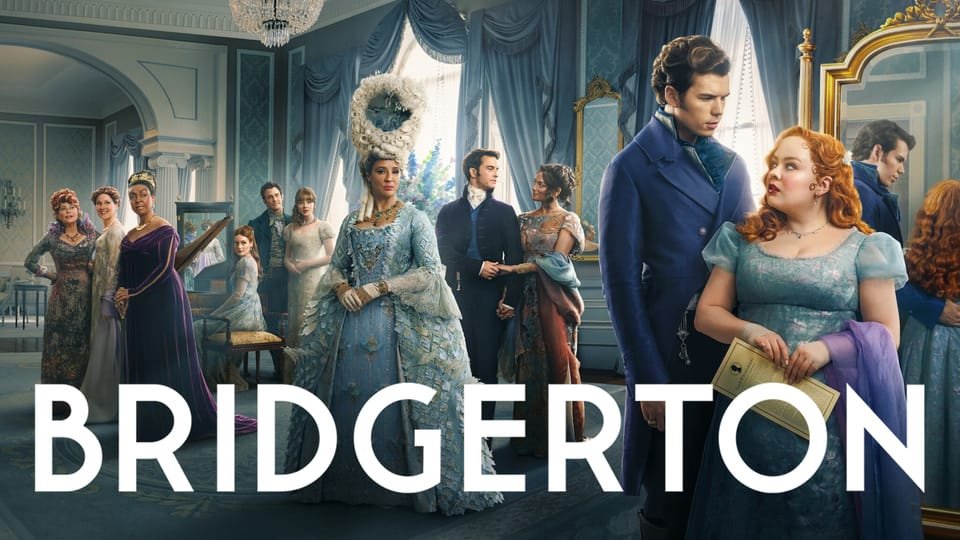
One of the biggest positives of Bridgerton is its aesthetic. The costumes are stunning, the sets are luxurious, and the pastel color palette is instantly recognizable. Every frame feels designed to be admired. The modern instrumental covers of pop songs add a fun twist that makes the show feel fresh rather than dusty.
Chemistry between lead pairs is another win. When Bridgerton gets romance right, it really gets it right. The slow-burn tension, emotional confrontations, and eventual release feel satisfying because the buildup is patient. The dialogue is sharp, often playful, and occasionally dramatic in the best way.
Where It Misses: Repetition and Over-Drama
As enjoyable as the series is, it’s not without flaws. One of the main issues is repetition. Some conflicts feel recycled across seasons, especially misunderstandings that could be solved with one honest conversation. At times, the drama feels stretched for the sake of prolonging tension.
There are also moments where emotional arcs move too quickly, especially for side characters. While the show tries to give everyone depth, not every storyline gets equal attention. This can make certain resolutions feel rushed or less impactful.
Likeable Elements vs What Feels Extra
What’s most likable about Bridgerton is its confidence. It knows it’s dramatic, romantic, and slightly unrealistic, and it owns that fully. The inclusivity in casting feels natural rather than forced, allowing a wider audience to see themselves in a genre that often feels exclusive.
What’s less likable is the occasional lack of subtlety. Some emotional beats are spelled out too clearly, leaving little room for interpretation. Also, if you’re not into romance-driven storytelling, the focus on relationships might feel overwhelming.
Why Bridgerton Clicks
Bridgerton feels like a period drama that understands modern emotions. It deals with pressure, identity, and the fear of not being enough, all wrapped in silk gowns and candlelit rooms. The gossip culture mirrors today’s obsession with online opinion, making it more relatable than it seems on the surface.
This Bridgerton review isn’t just about romance; it’s about how the show taps into the desire for escape while still reflecting real emotional struggles. It’s dramatic without being boring and glamorous without being hollow.
Final Verdict: Flawed, Fancy, and Fully Addictive
Bridgerton isn’t trying to be subtle or realistic, and that’s exactly its strength. It’s a show that embraces fantasy, emotion, and excess. While it stumbles with pacing and repetition at times, it more than makes up for it with strong performances, unforgettable aesthetics, and genuinely engaging relationships.
It’s not for everyone, especially if you prefer grounded realism. But if you’re open to drama, romance, and a little bit of chaos wrapped in elegance, Bridgerton delivers. It’s the kind of series that makes old-school feel new again, proving that love stories, no matter the era, never really go out of style.