Adolescence Review: Raw Teenage Rage Meets Reality
The Adolescence Netflix series doesn’t come with flashy marketing or viral dance moments, but once you start watching, it quietly punches you in the gut. This is not your comfort-watch teen drama. It’s gritty, uncomfortable, and brutally honest, the kind of show that forces you to sit with your thoughts after the screen goes dark. For Indian youth who’ve grown up balancing pressure, expectations, and suppressed emotions, this series hits way closer to home than expected.
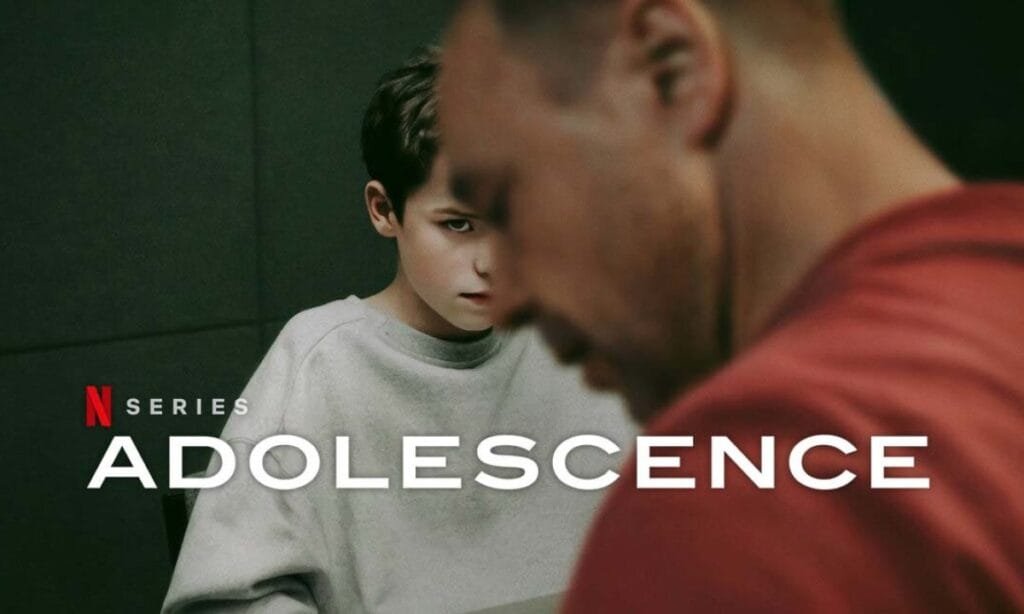
Plot Overview: When Teenage Anger Turns Dangerous
The plot of Adolescence revolves around a shocking crime involving a 13-year-old boy, Jamie Miller, accused of killing a classmate. The story doesn’t focus on flashy courtroom drama or over-the-top twists. Instead, it zooms in on the emotional wreckage left behind, the child, the family, the school, and the system that failed to notice what was boiling underneath.
Rather than asking what happened, the show keeps asking why it happened. And that’s what makes it disturbing in the best way possible. It explores how loneliness, bullying, internet influence, and emotional neglect can quietly shape a teenager into someone capable of something unthinkable.
Story Without Spoilers: Slow, Heavy, and Uncomfortably Real
Without spoiling anything, Adolescence tells its story at a deliberately slow pace. There are no unnecessary subplots or dramatic fillers. Each episode peels back layers of Jamie’s life, showing how small moments, ignored warnings, and casual cruelty can pile up over time.
The storytelling feels almost documentary-like. Conversations are awkward, silences are loud, and emotions are often unspoken. This makes the series feel less like entertainment and more like a mirror held up to society. It doesn’t give you easy answers or villains you can hate, just people making mistakes and dealing with consequences.
Main Characters and Performances: Real Faces, Real Pain
The soul of the series lies in its performances.
Jamie Miller, played by Owen Cooper, delivers a shockingly mature performance for someone so young. He’s not portrayed as a monster or a victim alone, he’s confusing, angry, scared, and deeply human. His expressions say more than pages of dialogue ever could.
Eddie Miller, Jamie’s father, is played by Stephen Graham, and he is devastatingly good. His portrayal of a working-class dad struggling with guilt, denial, and heartbreak is one of the strongest parts of the show. You can feel his pain in every scene, especially when he realises that love alone may not have been enough.
Briony Ariston, the psychologist investigating Jamie, is played by Erin Doherty. She brings calm intensity and emotional intelligence to the screen, acting as both observer and emotional anchor.
DI Luke Bascombe, played by Ashley Walters, represents the system trying to stay neutral while navigating a case involving a child, and his performance adds moral weight without turning preachy.
What Works: Honest Writing and Fearless Direction
One of the biggest strengths of the Adolescence Netflix series is its honesty. It doesn’t romanticise youth, trauma, or crime. The writing respects the audience’s intelligence and trusts silence as much as dialogue.
The direction is tight and intentional. Camera work stays close to faces, forcing you to confront emotions rather than escape them. The background score is minimal, which makes moments feel raw instead of manipulated.
Another major win is how the show handles masculinity. It quietly questions how boys are taught to suppress emotions, how anger becomes a default response, and how society often notices pain only after it explodes.
What Doesn’t Work: Heavy Tone and Emotional Exhaustion
This series is not an easy watch. The slow pacing and emotionally intense scenes can feel draining, especially if you’re used to lighter dramas. There are moments where the heaviness feels almost overwhelming, and some viewers might struggle to stay fully engaged because the show refuses to offer relief.
Also, because the focus is so narrow and intense, certain side characters don’t get enough development. You sometimes wish the story explored the school environment or peer dynamics a bit more deeply.
What You’ll Like: Relatability and Social Relevance
What makes Adolescence powerful is how relatable it feels, even across cultures. The pressure to perform, the fear of disappointing parents, the confusion of identity, and the silent loneliness; these emotions aren’t limited by geography.
For young millennials, the show speaks a language of emotional burnout and social anxiety that feels very real. It doesn’t blame social media outright, but it subtly shows how unchecked online spaces can amplify insecurity and rage.
What You Might Not Like: No Easy Closure
If you’re someone who prefers clean endings or clear moral conclusions, this show might frustrate you. It leaves you with questions rather than comfort. Some scenes end without resolution, mirroring real life, which is intentional, but not always satisfying.
The series also demands patience. It rewards viewers who pay attention to body language, pauses, and subtext rather than dramatic reveals.
Final Verdict: Uncomfortable but Necessary
The Adolescence Netflix series isn’t meant to entertain in the traditional sense. It’s meant to provoke, disturb, and start conversations, especially about how we treat young people, mental health, and emotional neglect.
It’s bold, raw, and deeply unsettling, but also incredibly important. This is the kind of show that stays with you long after you’ve finished watching, not because it shocked you, but because it felt too real to ignore.
If you’re ready for something intense, meaningful, and painfully honest, Adolescence deserves your attention.