The Fall of the House of Usher Review: Dark, Twisted, Addictive
Right from episode one, The Fall of the House of Usher review feels like stepping into a rich, cursed mansion where every wall has secrets and every smile hides guilt. This isn’t your regular horror series with jump scares and cheap thrills. It’s slow, stylish, disturbing, and oddly beautiful. Created by Mike Flanagan, the show blends classic Edgar Allan Poe vibes with modern capitalism, toxic wealth, and family drama, making it hit surprisingly close to home for today’s audience.
As a 25 year old viewer used to fast content and short attention spans, this series demands patience but rewards it heavily. It trusts you to stay curious, read between the lines, and sit with discomfort. And honestly, that confidence is refreshing.
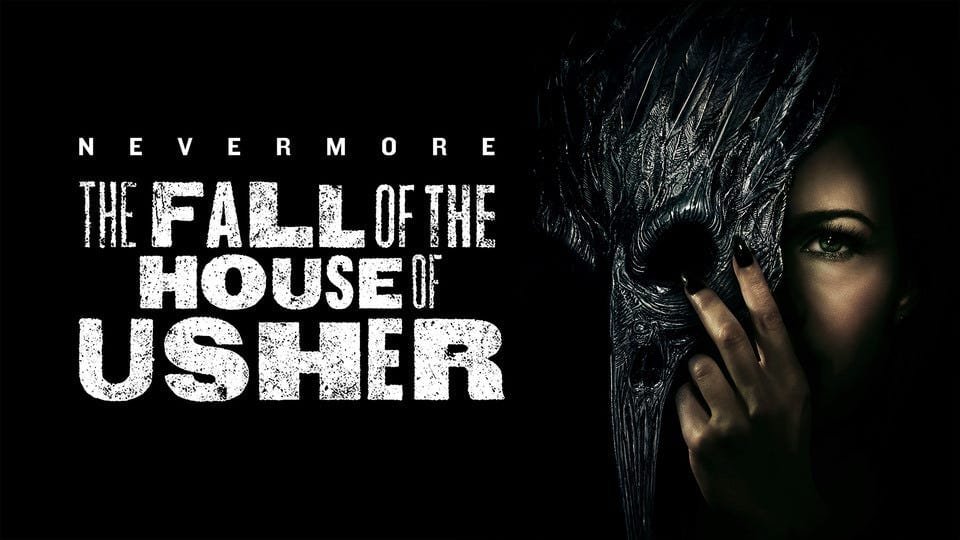
At its heart, the plot revolves around the ultra-powerful Usher family, whose pharmaceutical empire has made them wildly rich and morally hollow. When the heirs of the family start dying in strange and unsettling ways, the narrative unfolds through confessions, flashbacks, and psychological breakdowns.
The story is framed around Roderick Usher recounting his life and sins to an investigator, slowly revealing how ambition, greed, and unchecked power poisoned everything he touched. The plot isn’t just about death; it’s about consequences. Every action has a price, and this family is finally paying it.
The storytelling style is layered and poetic. Each episode focuses on a different member of the Usher bloodline, loosely inspired by Edgar Allan Poe’s famous works. These individual stories tie back into a larger narrative about legacy and decay.
What works brilliantly is how the show balances horror with drama. The scares aren’t loud; they creep up on you. The series constantly shifts timelines, keeping you engaged without feeling confusing. It’s less about what happens next and more about understanding why it had to happen this way.
You won’t find unnecessary fillers or pointless detours. Every scene feels intentional, even when it’s deeply unsettling.
Bruce Greenwood plays Roderick Usher, delivering a performance that’s calm on the surface but deeply fractured underneath. He embodies the quiet terror of a man haunted by his own choices. Mary McDonnell as Madeline Usher is equally chilling cold, calculating, and terrifyingly intelligent. She represents power without empathy, and it’s scary how believable she feels.
Carla Gugino is unforgettable as Verna, a mysterious figure who floats between reality and something far darker. Her presence elevates every scene she’s in, and she might just be the most fascinating character in the entire series.
The younger generation of Ushers, played by actors like Rahul Kohli, Kate Siegel, and T’Nia Miller, bring chaos, arrogance, and vulnerability in equal measure. Each performance feels distinct, making the family dynamic messy and real.
One of the biggest positives is the writing. The dialogues are sharp, layered, and sometimes brutally honest. The series doesn’t shy away from uncomfortable truths about privilege, addiction, and moral corruption.
Visually, the show is stunning. The gothic aesthetic, muted color palette, and eerie set design create a constant sense of dread. The background score knows when to stay silent and when to strike, adding to the psychological tension.
Another win is how the series modernizes classic literature without disrespecting it. Even if you’re not familiar with Poe’s work, the themes still land hard.
That said, this show isn’t for everyone. The pacing can feel slow, especially in the initial episodes. If you’re someone who prefers instant gratification, this might test your patience.
The heavy symbolism and layered metaphors can also feel overwhelming. At times, the series leans so hard into its themes that it risks feeling preachy. A few episodes could have benefited from tighter editing to maintain momentum.
Also, the constant darkness both visually and emotionally can feel exhausting if watched too closely together.
What really stands out is the ambition. The series isn’t scared to be weird, dark, or uncomfortable. It respects the viewer’s intelligence and doesn’t explain everything.
The performances are consistently strong, and the way each character’s downfall is crafted feels poetic rather than random. The show also does an excellent job of making you reflect on real-world issues like corporate greed and ethical decay without turning into a lecture.
Some emotional connections feel distant. While the characters are fascinating, they aren’t always easy to empathize with. That’s intentional, but it might stop some viewers from feeling deeply invested.
The horror elements are more psychological than terrifying, which might disappoint those expecting traditional scares. It’s more unsettling than scary, and that distinction matters.
Despite its slow burn nature, the series speaks directly to Gen Z anxieties. It questions capitalism, inherited power, and the illusion of success. The idea that money can’t protect you from consequences feels especially relevant today.
The aesthetic is dark and moody in a way that feels tailor made for modern tastes. It’s the kind of show that sparks Reddit threads, Twitter debates, and late night overthinking.
Wrapping up this The Fall of the House of Usher review, the series is bold, disturbing, and deeply thought provoking. It’s not comfort viewing, but it’s powerful storytelling that sticks with you. While the pacing and heavy themes might not work for everyone, those willing to invest time will find a richly rewarding experience.
This is a show that doesn’t just entertain it unsettles, questions, and lingers. And in a sea of forgettable content, that’s a win.